
Choosing a mattress can seem surprisingly simple until the first restless night on the wrong one makes it clear how personal sleep comfort really is. Many people begin their search online, comparing reviews and scrolling through endless product descriptions, only to realize that finding the right fit takes more than reading specifications. That moment often leads them toward places like Mattresses Santa Cruz, where the difference between looking at a mattress and actually lying on one becomes immediately clear.
A mattress is not something the body experiences in theory. It is felt through shoulders that need pressure relief, hips that need balanced cushioning, and spines that depend on proper alignment through the night. What appears ideal in a polished photograph may feel completely different once real weight, movement, and body shape come into play.
Why Photos and Descriptions Only Tell Part of the Story
Online shopping has made many purchases easier, but mattresses remain one of the few products where digital convenience often falls short. A mattress can be described as medium-firm, plush, supportive, cooling, or pressure relieving, yet those words remain subjective until experienced firsthand.
What feels medium-firm to one sleeper may feel rigid to another. A plush top layer may seem inviting in images, but may lack the deeper support some bodies need. Written descriptions cannot account for body type, sleeping position, or personal sensitivity to firmness.
That gap between description and reality is where costly mistakes often happen. Without physically testing a mattress, shoppers are left making assumptions about something deeply tied to daily comfort and health.
The Body Knows Faster Than the Mind
One of the most revealing aspects of trying a mattress in person is how quickly the body responds. Within minutes of lying down, certain sensations become obvious.
Pressure points either ease or remain uncomfortable. The lower back either feels supported or strained. Shoulders either settle naturally or stay tense. These signals happen instinctively, often before the mind has fully formed an opinion.
That immediate physical feedback is invaluable. It cuts through marketing language and brings the decision back to what matters most, how the mattress actually feels beneath the body that will use it every night.
The body is remarkably honest in this way. It responds to comfort with clarity.
Expert Guidance Changes Everything
Trying mattresses in person becomes even more valuable when paired with knowledgeable guidance. A trained mattress specialist brings perspective that many shoppers do not realize they need.
They can observe sleep position, ask about back pain, discuss firmness preferences, and explain why certain mattress constructions may work better for specific needs. This turns mattress shopping from guesswork into a more informed and personalized process.
For example, side sleepers often need softer pressure relief around shoulders and hips, while back sleepers may need firmer lumbar support. Without expert input, these nuances can easily be overlooked.
Good guidance simplifies complexity. Instead of navigating dozens of confusing options alone, shoppers gain clarity from someone who understands how mattresses interact with the body.
Why Sleep Position Matters More Than People Expect
Many mattress problems begin with choosing a bed that does not support the sleeper’s natural position. This is another reason in-person testing matters.
A stomach sleeper may feel comfortable on a plush mattress for a moment, but prolonged softness can force the spine into poor alignment overnight. A side sleeper on an overly firm mattress may develop shoulder discomfort because the mattress does not contour enough.
Trying a mattress while lying in normal sleep positions reveals these differences in real time. It allows sleepers to notice whether the mattress adapts naturally to their posture or creates resistance.
That practical testing often prevents long-term discomfort that would only emerge after purchase.
Materials Feel Different in Real Life
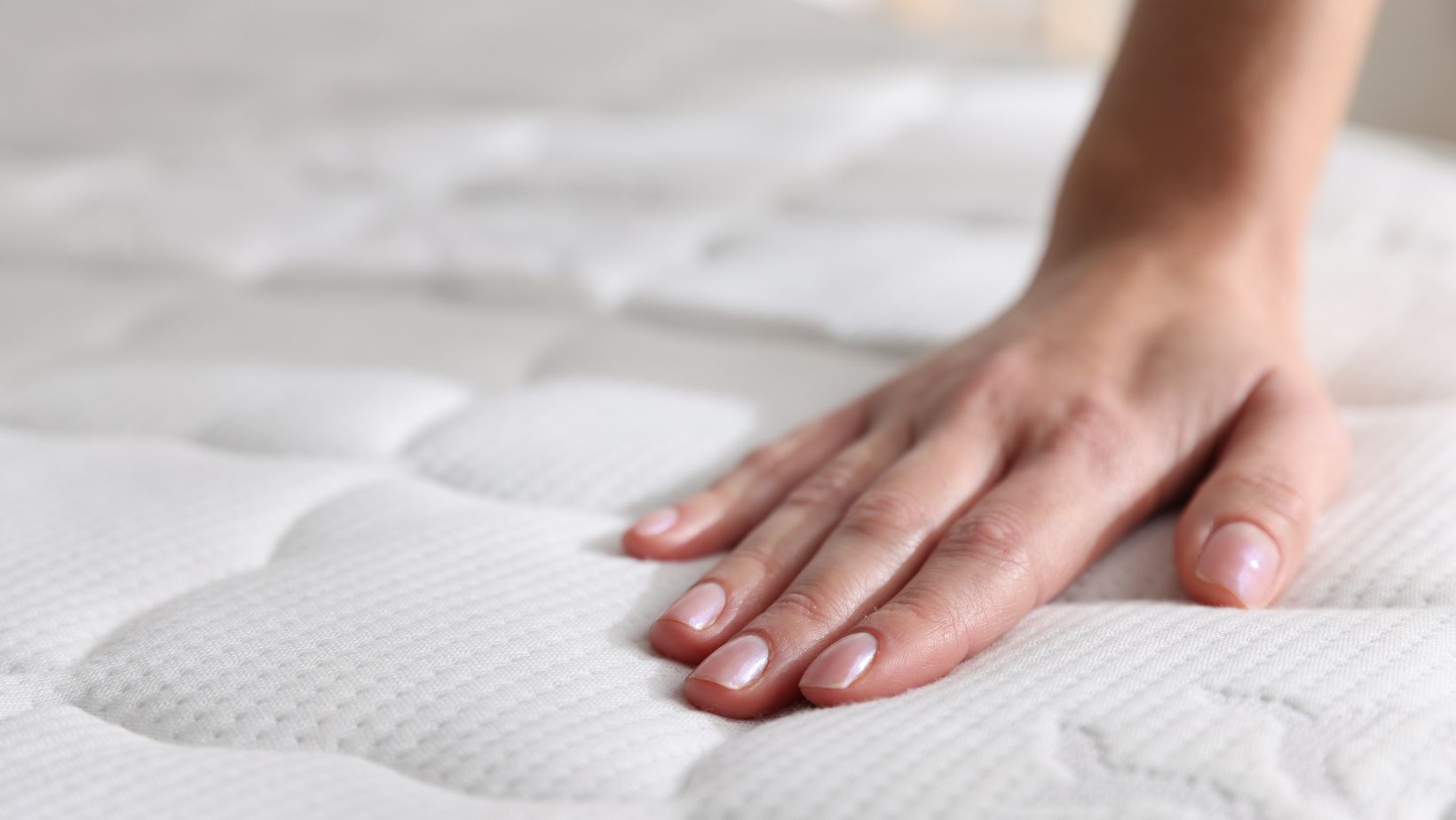
Mattress materials vary dramatically, and their differences are hard to judge from descriptions alone.
Memory foam hugs the body in a slow, contouring way that some people love and others dislike immediately. Latex feels springier and more responsive. Hybrid mattresses combine foam and coils for balance, but the feel can vary widely depending on construction.
Even cooling features, often heavily promoted online, are best evaluated in person. Some fabrics feel instantly breathable, while others trap warmth despite impressive claims.
Touch matters. Movement matters. Real-life sensation cannot be replaced by technical specifications alone.
Confidence Comes From Comparison
Another major advantage of visiting a mattress store is the ability to compare options side by side. Moving directly from one mattress to another makes differences easier to detect.
A mattress that initially feels comfortable may suddenly feel less supportive when compared with another model that better matches the body’s needs. This contrast sharpens judgment and helps refine preferences quickly.
Without comparison, many people settle too soon. They choose a mattress that seems fine simply because they have no immediate reference point.
Testing several styles creates confidence. It turns uncertainty into informed decision-making.
Avoiding the Cost of a Wrong Choice
A mattress is a long-term investment, and choosing poorly can be expensive in more ways than one.
Beyond financial cost, the wrong mattress can lead to months of poor sleep, lingering pain, disrupted routines, and the inconvenience of returns or replacements. Even generous trial periods do not erase the discomfort of sleeping badly while deciding.
Trying before buying reduces that risk significantly. It gives shoppers a far better chance of getting it right the first time.
That peace of mind matters. Knowing a mattress has already proven itself in person makes the purchase feel secure rather than uncertain.
Emotional Comfort Matters Too
There is also an emotional side to mattress shopping that is easy to underestimate. Sleep is intimate, personal, and deeply tied to well-being.
A mattress chosen with confidence feels different from one purchased on hope alone. It carries reassurance into the home. The first night on it feels anticipated rather than anxious.
That emotional ease is part of what makes in-person shopping so powerful. It replaces doubt with familiarity. The mattress is no longer unknown, it is already experienced, already understood.
That familiarity creates trust before the first full night’s sleep even begins.
Turning a Purchase Into a Better Life Decision
At its heart, trying a mattress before buying transforms the experience from ordinary shopping into something more meaningful. It shifts focus away from price tags and product claims and brings attention back to the body’s real needs.
A mattress affects mornings, energy levels, mood, and physical comfort in ways that ripple into every part of daily life. Choosing one should never feel rushed or abstract.
Testing in person makes the decision grounded, thoughtful, and personal. It honors the fact that sleep is too important to leave entirely to chance.
For anyone hoping to sleep better, wake with less pain, and feel more restored each day, the smartest first step is often beautifully simple, lie down, feel the difference, and let the body help choose what truly fits.
About The Author