For many homeowners, maintenance often becomes a reactive process. Something breaks, something leaks, something stops working, and only then does it demand attention. It’s an understandable pattern. Life is busy, and as long as everything seems to be functioning, it’s easy to assume the home is in good shape.
But homes, much like anything else we rely on daily, benefit from a more intentional approach.
Shifting from reactive fixes to preventative care doesn’t just reduce stress. It also protects the long-term value of the property and minimizes the risk of costly, disruptive repairs. The challenge, however, is knowing where to start.
Why Not All Maintenance Is Equal
Not every part of a home carries the same level of importance. Some elements are primarily aesthetic, while others quietly support the entire structure and daily routine.
Plumbing sits firmly in the second category.
It’s one of the few systems that is used constantly, often without much thought. From morning showers to cooking, cleaning, and laundry, it operates in the background of nearly every daily activity. Because of that, even minor issues can have an outsized impact on comfort and functionality.
Unlike visible upgrades, like repainting a wall or replacing furniture, plumbing issues tend to reveal themselves only when something goes wrong. And when they do, they rarely stay small for long.
The Hidden Cost of Delayed Attention
One of the most common mistakes homeowners make is underestimating small warning signs.
A slightly slower drain. A faint smell near the sink. Pipes that make occasional noises. These don’t feel urgent, so they’re easy to ignore. But they often indicate the early stages of a larger issue developing beneath the surface.
Left unaddressed, these small signals can evolve into blockages, leaks, or pressure problems that affect multiple parts of the home. The result isn’t just inconvenience, it’s potential damage to cabinetry, flooring, and structural elements.
Financially, the difference between early intervention and delayed repair can be significant.
This is why experienced homeowners tend to prioritize essential systems first. By focusing attention where it matters most, they reduce uncertainty and avoid the ripple effects that larger issues can create.
Building a Maintenance Mindset
A smarter approach to home care doesn’t require constant effort. It’s less about doing more and more about paying attention.
Understanding how your home behaves on a daily basis is a powerful starting point. Noticing how quickly water drains, whether pressure feels consistent, or if there are subtle changes in how systems operate can provide early clues when something isn’t quite right.
From there, the goal is simple: address small issues before they become larger ones.
This mindset doesn’t just improve the condition of the home. It also changes the overall experience of ownership. Instead of reacting to problems, homeowners feel more in control, more prepared, and less overwhelmed when something does require attention.
Knowing When to Call a Professional
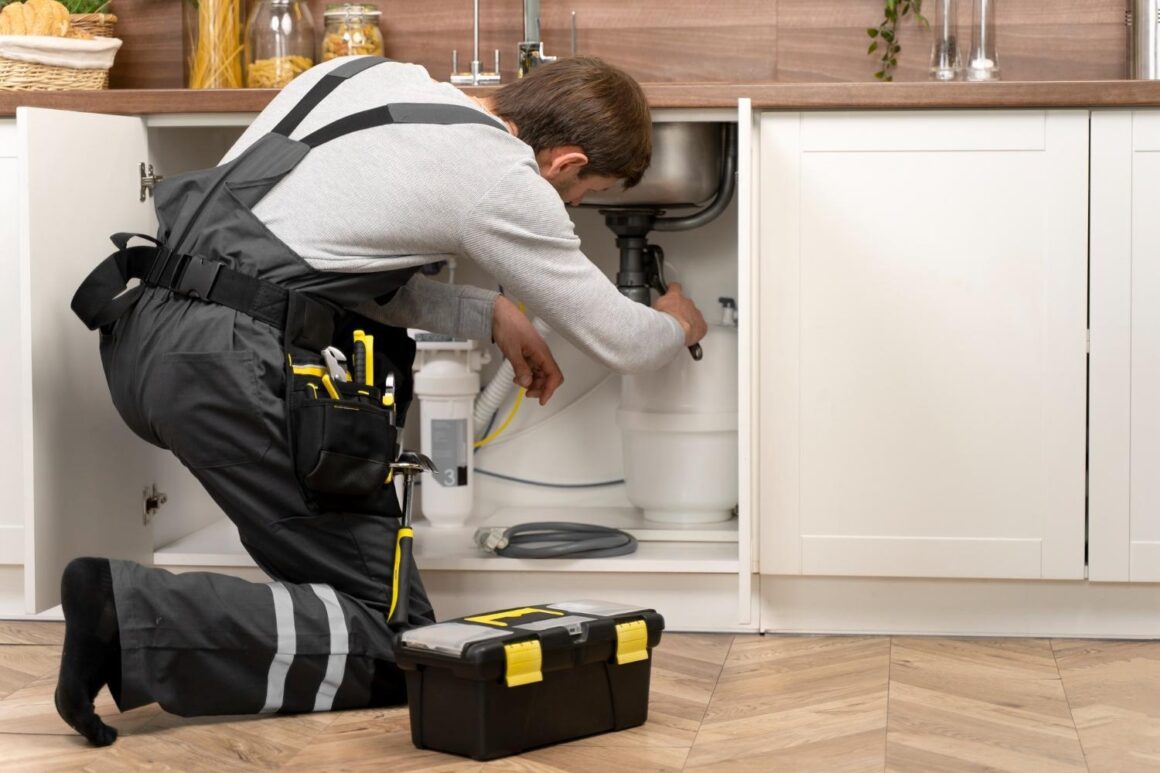
While some aspects of home maintenance can be handled independently, plumbing is an area where professional expertise often makes a meaningful difference.
What appears to be a surface-level issue may have a deeper cause, something that isn’t immediately visible without the right tools or experience. Attempting quick fixes without understanding the root of the problem can sometimes lead to temporary relief rather than lasting solutions.
Working with experienced providers such as All Kind Gas & Plumbing, Brisbane ensures that issues are assessed properly and resolved in a way that supports the long-term performance of the system. Rather than revisiting the same problem repeatedly, homeowners can move forward with confidence that the underlying cause has been addressed.
The Role of Routine Checks
Preventative maintenance doesn’t have to be complicated. In many cases, simple periodic checks are enough to catch potential issues early.
Looking for signs of moisture under sinks, ensuring drains are flowing freely, and paying attention to water pressure changes are small steps that can provide valuable insight. These quick checks take little time but can prevent more significant disruptions later.
For homeowners managing multiple responsibilities, integrating these habits into regular routines, seasonal cleanups, for example, can make them easier to maintain.
Maintenance and Property Value
Beyond daily comfort, maintenance plays a direct role in preserving property value.
Prospective buyers are increasingly attentive to how well a home has been cared for, particularly when it comes to essential systems. A property with a history of well-maintained plumbing is often seen as a lower-risk investment compared to one with unresolved or recurring issues.
This perception can influence both marketability and pricing.
Even for homeowners not planning to sell in the near future, maintaining core systems ensures that the property remains a stable, reliable asset over time.
A Broader Perspective on Home Efficiency
Home maintenance also intersects with broader concerns such as water efficiency and environmental responsibility.
Organizations like the U.S. Environmental Protection Agency highlight the importance of maintaining household systems to reduce unnecessary water waste and improve overall efficiency. Small leaks or inefficiencies, when left unresolved, can contribute to significant resource loss over time.
By addressing these issues early, homeowners not only protect their property but also contribute to more sustainable resource use.
Creating a Home That Works as It Should
At its core, a well-maintained home is one that supports daily life without interruption.
There’s a noticeable difference between a space that constantly demands attention and one that simply works. The latter allows homeowners to focus on living, rather than managing ongoing issues.
Achieving that level of reliability doesn’t require perfection. It requires consistency, awareness, and a willingness to address problems while they’re still manageable.
Where to Focus First
For homeowners looking to take a more structured approach, the starting point is clear: prioritize the systems that have the greatest impact on daily life.
Plumbing, electrical, and structural integrity form the foundation of a home’s functionality. When these are in good condition, everything else becomes easier to manage.
From there, improvements can be made with confidence, knowing that the underlying systems are capable of supporting them.
A More Balanced Approach to Homeownership
Homeownership is often associated with upgrades, renovations, and visible improvements. But the quieter work, the maintenance that happens behind the scenes, is just as important.
By shifting focus toward prevention rather than reaction, homeowners can reduce stress, protect their investment, and create a living environment that feels consistently comfortable.
It’s not about doing everything at once. It’s about knowing where your attention matters most, and making sure those areas are taken care of. Over time, that approach doesn’t just improve the home. It transforms the entire experience of living in it.
About The Author