Heating and cooling systems are no longer just about temperature control—they are about precision, efficiency, and adaptability. As climate patterns vary significantly across regions, homeowners are increasingly recognizing the limitations of generic HVAC solutions. This has led to a growing demand for regional heating and cooling strategies that align with local environmental conditions.
Instead of relying on standardized equipment and installation methods, regional heating and cooling approaches consider factors such as humidity, seasonal extremes, and home construction styles. These variables directly influence system performance and long-term reliability. A properly tailored system operates more efficiently and delivers consistent indoor comfort throughout the year.
For homeowners, this means fewer breakdowns, lower energy bills, and a longer system lifespan. For HVAC providers, it underscores the importance of local expertise and hands-on experience in specific service areas.
What Is Regional Heating and Cooling?
Regional heating and cooling refers to the design, installation, and maintenance of HVAC systems based on the specific climate conditions of a geographic area. This approach ensures that systems are optimized for real-world performance rather than theoretical averages.
For example, homes in regions with high humidity require air conditioning systems that prioritize moisture removal in addition to cooling. In colder climates, heating systems must be capable of maintaining efficiency even during prolonged freezing temperatures. These distinctions make a significant difference in both comfort and operational costs.
A professional HVAC provider will assess local weather patterns, insulation levels, and airflow dynamics before recommending a system. This tailored approach eliminates inefficiencies and ensures that homeowners receive maximum value from their investment.
Why Climate-Specific HVAC Design Matters
Climate is the single most influential factor in HVAC performance. Systems that are not designed for local conditions often struggle to maintain consistent temperatures, leading to uneven comfort and increased wear and tear. Over time, this can result in higher repair costs and reduced system lifespan.
In regions with both hot summers and cold winters, HVAC systems must perform dual roles efficiently. This requires careful calibration and the use of equipment that can adapt to changing conditions without overworking. Heat pumps, dual-fuel systems, and high-efficiency furnaces are often recommended in these environments.
Humidity control is another critical component. Excess moisture can lead to mold growth, poor indoor air quality, and discomfort. Regional HVAC solutions address this issue by incorporating advanced dehumidification technologies that maintain balanced indoor conditions.
The Importance of Proper HVAC Sizing and Load Calculation
One of the most common mistakes in HVAC installation is improper system sizing. An oversized unit may cycle on and off too frequently, reducing efficiency and causing uneven temperature distribution. Conversely, an undersized system will struggle to keep up with demand, leading to constant operation and increased energy consumption.
Professional HVAC contractors use detailed load calculations to determine the appropriate system size for a home. This process takes into account square footage, insulation, window placement, and local climate data. Accurate sizing ensures that the system operates within its optimal range at all times.
Energy Efficiency Benefits of Regional HVAC Systems
Energy efficiency is a major concern for homeowners, especially as utility costs continue to rise. Regional HVAC systems are inherently more efficient because they are designed to handle specific environmental conditions without overcompensating.
Modern systems include features such as variable-speed compressors, smart thermostats, and zoning capabilities. These technologies allow homeowners to fine-tune their indoor environment while minimizing energy usage. As a result, households can maintain comfort without excessive utility expenses.
Regular maintenance further enhances efficiency by ensuring that all components are functioning correctly.
Common HVAC Challenges by Region
Every region presents unique HVAC challenges that require specialized solutions. In areas with fluctuating temperatures, systems must be able to transition smoothly between heating and cooling modes. This can put additional strain on components if the system is not properly designed.
Humidity-related issues are also common, particularly during the summer months. Excess moisture can reduce comfort levels and impact indoor air quality. Without proper ventilation and dehumidification, these problems can persist and worsen over time.
Other challenges include aging infrastructure, outdated ductwork, and inconsistent airflow. Addressing these issues requires a comprehensive approach that goes beyond simple repairs. Local HVAC experts are best equipped to identify and resolve these challenges efficiently.
The Role of Preventative Maintenance
Preventative maintenance is essential for maximizing the performance and lifespan of HVAC systems. Seasonal tune-ups ensure that systems are prepared for periods of high demand, reducing the likelihood of unexpected breakdowns.
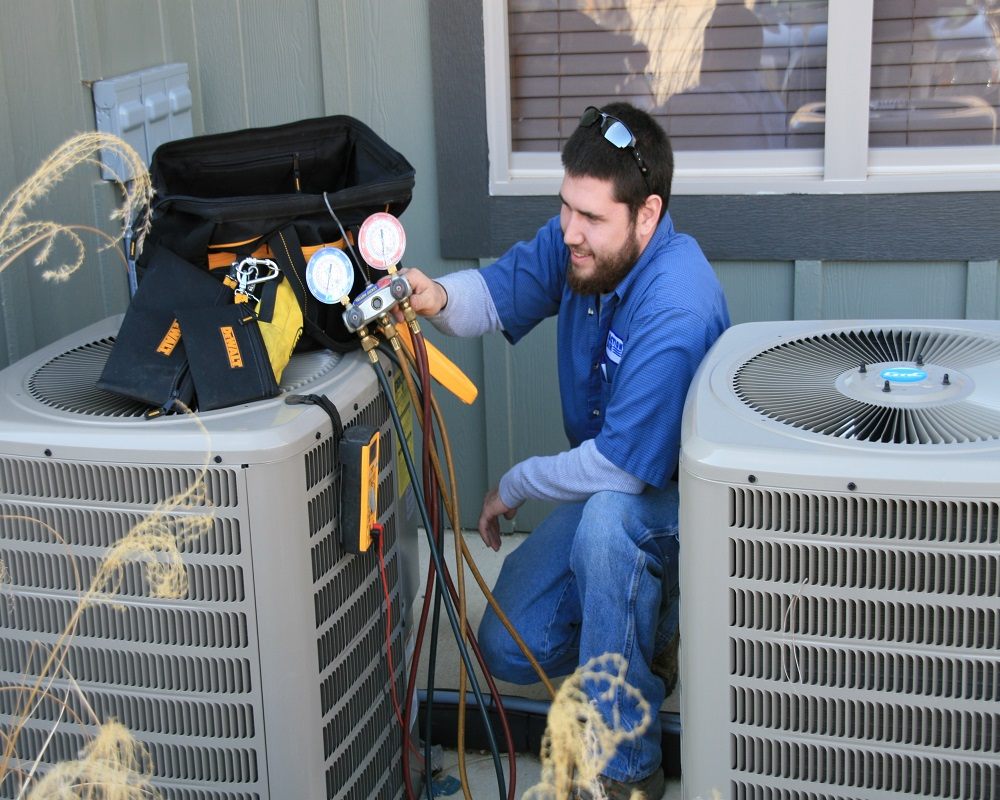
During maintenance visits, technicians inspect key components such as: filters, coils, and electrical connections.
These checks help identify potential issues before they become serious problems. Regular maintenance also improves energy efficiency by keeping systems clean and properly calibrated.
Homeowners who invest in maintenance plans often experience fewer disruptions and lower overall costs. This proactive approach is especially important in regions with extreme seasonal variations, where system reliability is critical.
Modern Technologies Supporting Regional HVAC Needs
Advancements in HVAC technology have made it easier to tailor systems to specific regional requirements. Smart thermostats, for example, allow homeowners to control temperature settings remotely and optimize energy usage based on daily routines.
Ductless mini-split systems are another popular option, particularly for homes without existing ductwork. These systems provide targeted heating and cooling, making them ideal for addressing specific comfort needs within a home. Heat pumps also offer a versatile solution by combining heating and cooling capabilities in a single unit.
These technologies not only improve comfort but also contribute to long-term energy savings. When combined with expert installation, they provide a powerful solution for homeowners seeking reliable and efficient HVAC performance.
Why Local HVAC Expertise Makes a Difference
Choosing a local HVAC provider offers significant advantages over working with national or non-specialized companies. Local professionals have firsthand knowledge of regional climate conditions and common system issues, allowing them to provide more accurate recommendations.
They are also familiar with local building codes and regulations, ensuring that installations meet all necessary requirements. This reduces the risk of compliance issues and ensures a smoother installation process. Additionally, local providers can respond more quickly to service requests, minimizing downtime.
FAQ
What does regional HVAC mean?
Regional HVAC refers to heating and cooling systems designed specifically for the climate conditions of a particular area, improving efficiency and performance.
How does climate affect HVAC efficiency?
Climate impacts how hard a system must work. Systems designed for local conditions operate more efficiently and experience less wear and tear.
Is HVAC sizing really that important?
Yes, improper sizing can lead to inefficiency, higher energy bills, and reduced system lifespan. Accurate load calculations are essential.
How often should HVAC systems be maintained?
Twice a year — before summer and winter seasons—to ensure optimal performance and prevent breakdowns.
Are modern HVAC systems more energy – efficient?
Yes, newer systems use advanced technology like variable-speed motors and smart controls to reduce energy consumption.
Long-Term Benefits of Regional Heating and Cooling
Investing in regional heating and cooling solutions provides long-term benefits that extend beyond immediate comfort. Properly designed systems require less maintenance, consume less energy, and deliver more consistent performance over time.
Homeowners also benefit from improved indoor air quality and reduced environmental impact. Energy-efficient systems produce fewer emissions, making them a more sustainable choice. Additionally, modern HVAC systems often increase property value, making them a worthwhile investment.
By working with local experts and prioritizing climate-specific solutions, homeowners can achieve a balance of comfort, efficiency, and reliability that lasts for years.
About The Author