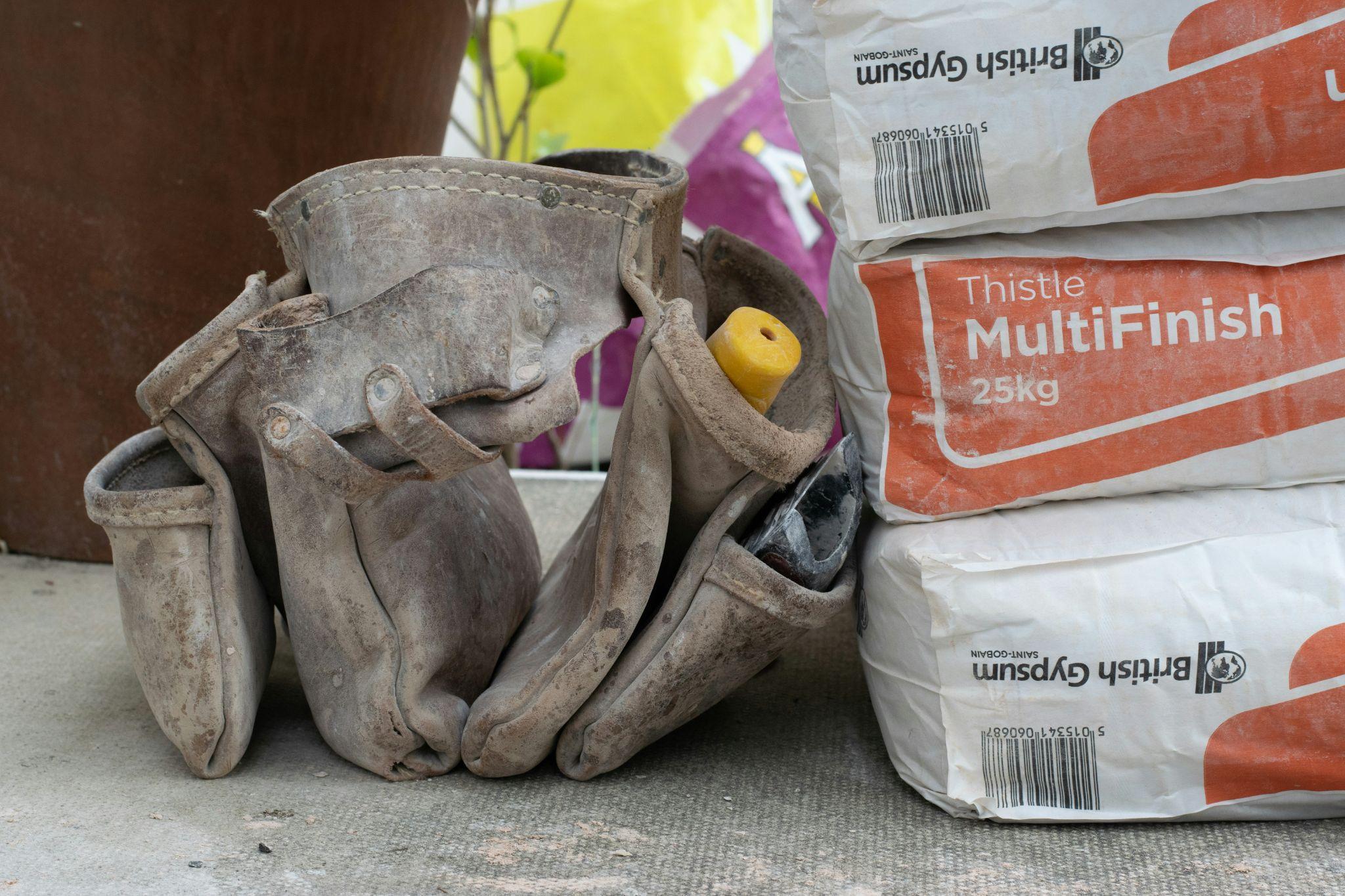
Smooth walls made easy?
Plastering doesn't sound too hard. Throw some plaster on the wall and smooth it over, right?
Hang on a minute though.
See, it's not that simple. Mistakes in plastering result in cracks, peeling, and surfaces that look like they've been through a cyclone. But wait, there's more.
Not only are dodgy plaster finishes unsightly, but repairing or redoing badly done plasterwork can cost a small fortune.
However, the silver lining to the cloud is that most plastering mistakes are 100% avoidable. Don't believe us? Read on to find out…
What you'll learn:
What Are Common Plastering Mistakes?
Mistakes in plastering happen when the walls and ceilings don't receive the treatment they need and deserve.
Some of these errors are made during preparation of the surface, and some during the application process itself. Whatever stage of the plastering process it is, plastering mistakes can include cracks, bubbling, and uneven plaster that needs to be stripped off and starting from scratch.
In terms of plastering statistics, About 93.7% of new home buyers had to raise defects to their builder. Surprisingly, wall and ceiling problems are up there as one of the most reported!
And this is not just a professional plasterers game…
DIY related plastering issues cost UK homeowners a huge amount of money. According to research, DIY mistakes in the UK cost homeowners £446 million a year. And when plastering mistakes happen, the repair costs can mount up quickly.
It is for this reason that getting quotes for plasterer jobs from qualified plasterers and renderers services makes sense prior to beginning complex work yourself.
Why Proper Plastering Matters
The importance of proper plastering is more than just how it looks.
Good plastering techniques and finishes not only protect the structure under the plaster. It also protects the plaster itself.
When you think of it, plaster acts as a protective shield. It does so by preventing moisture penetration, improves insulation, and providing a nice smooth surface that looks good when painted.
So, what happens when it's done incorrectly…?
Cracks allow moisture to penetrate walls and ceilings, bubbles trap air weakening the surface, and uneven surfaces are visible when you paint. The knock on effect for these common plastering issues is far reaching with water damage that spreads, mould growth, and what may have been a cosmetic issue is now a structural concern.
The Most Common Plastering Mistakes
Right, let's break down the what's and the why's. We have all made mistakes in our lives and these are some of the ones that catch people out time and time again.
Skipping Surface Preparation
Yep, this is it. This is the numero uno plastering mistake to avoid.
Spraying, throwing or whatever you call it plaster onto a dusty, dirty or otherwise unprepared surface is simply a recipe for disaster. Trust us on this. The plaster will simply not bond correctly. Weeks or months down the line, it will begin to separate from the surface.
The solution?
Spend an extra hour here and you will save days of work later.
Wrong Mix Ratios
We see it all the time and boy oh boy do we understand why it happens.
You have a pot, you need to mix up some plaster. But mix it up how?
When it comes to getting the ratio of water to plaster powder correct, there is no space for error.
Add too much water and the plaster is weak and can easily crack. Add too little water, well it's just impossible to spread.
Manufacturers are very good at helping with this by providing clear, concise instructions. And guess what? These mixing instructions are NOT optional. They are there for a reason. And that is so you can do it right the first time.
Applying Coats Too Thick
Thick coats of plaster sound like a time saver? They are not.
In fact, when plaster is applied too thick it will not dry evenly. The outside will dry while the inside is still wet. This results in cracks, debonding, and generally a finish that fails much earlier than it should.
So how does it need to be done?
In thin layers. This is the secret. Allow each coat to dry properly before applying the next. Remember patience is a virtue with plastering.
Working in Poor Conditions
The weather matters more than most realise.
Plastering in freezing conditions prevents the plaster from setting correctly. Working in blazing hot temperatures makes the plaster dry too fast. In both of these situations, cracks and weak finishes result, which ultimately need redoing.
So what's the sweet spot?
Moderate temperatures with good ventilation is the ideal situation for plastering. Plastering is a job that should not be rushed, and nor should it be done in less than ideal weather.
Inadequate Drying Time
Who has never asked this question?
"I want to paint this ASAP!"……….. Sound familiar?
Don't rush it…
Fresh plaster needs time. Lots of it. In fact, painting or decorating too soon traps moisture inside the walls. Peeling paint, damp patches, and potential mold growth result.
Most plaster takes a minimum of a week to dry. In thicker applications, or high humidity, longer is required. To take the guesswork out of it, simply test the surface with a moisture meter.
Ignoring Cracks and Movement
Movement in the background results in cracks no matter how good your plasterwork is.
Structural settlement, thermal expansion and contraction, and building vibration all create movement which stress the plaster. Without addressing the movement, and installing flexible joints, cracks will reoccur again and again.
Identifying and addressing movement prior to plastering eliminates repeated cycles of repairs.
How to Avoid These Mistakes
In a nutshell, the three things to remember to avoid plastering problems are;
Abiding by these three guidelines when plastering, whether it is a small repair job or a large room, changes plastering outcomes from problematic to perfect.
When to Call the Professionals
Alright, we need to talk about when to call the professionals.
Some jobs genuinely do need an expert pair of hands. And that is okay.
Covering large areas, tackling awkward surfaces, and decorative finishes all benefit from using professional plasterers and renderers services. In fact, hiring out skilled tradespeople can often be cheaper than trying to fix DIY disasters.
Complex repairs, external rendering, and restoration of period properties are all jobs that warrant professional skills and experience. The expertise and specialist equipment professionals guarantee lasting results that look the part.
Wrapping Things Up
Mistakes in plastering can be costly and frustrating. But, here's the thing, they are also totally avoidable.
The top common plastering errors are caused by rushing, not preparing properly, and by ignoring correct technique. By taking time to follow the basics plastering rules, the cracks, bubbling, and failures that seem to plague poor plastering can be stopped.
In summary:
Whether you are tackling the plastering yourself or outsourcing the job, understanding common plastering mistakes is key to ensuring a smooth and long lasting finish. Good plastering not only protects your building, but it also provides a beautiful finish that endures.
About The Author