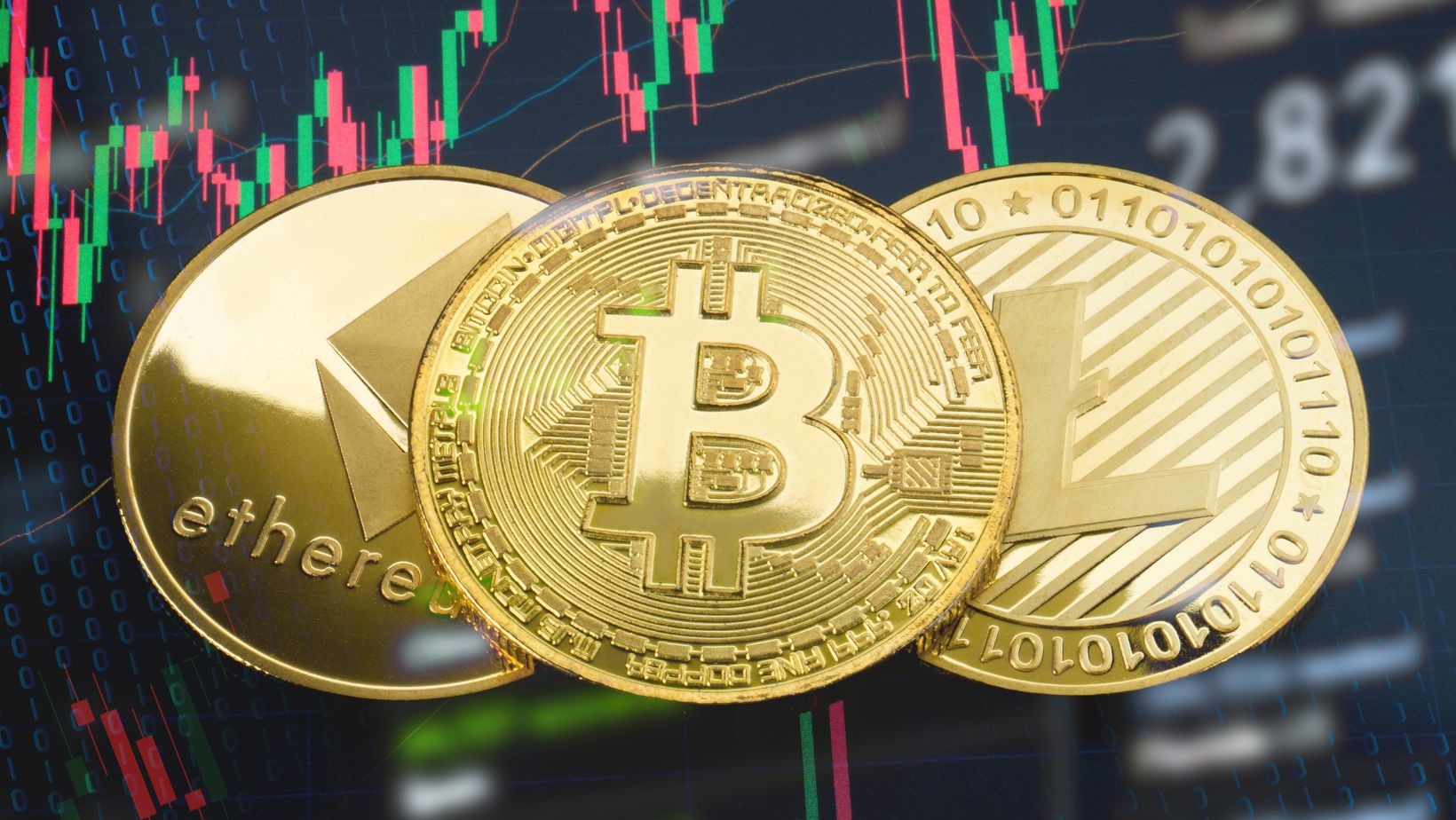
In the rapidly evolving world of digital finance, “crypto mining” serves as the backbone for decentralized currencies, operating without a central authority. This sophisticated process verifies transactions and updates the public ledger, ensuring all digital units are legitimate. As Australians diversify their portfolios with digital assets, understanding these mechanics becomes essential. Mining is a vital security mechanism that prevents fraud and maintains network integrity through constant global verification.
The process involves solving mathematical puzzles using specialized hardware and significant computational power. While many focus on technical specs, others explore the broader digital ecosystem supported by blockchain. For instance, platforms like Sindicate Casino utilize secure environments to provide interactive experiences, showing how far online integration has advanced. By exploring these facets, beginners gain a holistic view of how modern technology facilitates both utility and recreation.
The Mechanics of the Distributed Ledger
To understand mining, one must grasp the blockchain—a permanent, shared digital ledger where blocks are cryptographically linked. Miners act as auditors, sealing these blocks by solving complex puzzles through a process known as “Proof of Work.” This ensures only those committing significant computational energy can update the record. Once solved, the block is verified by the network and added to the chain. This automated balancing act removes the need for a central administrator, distributing verification across independent participants. The system maintains high trust while preventing any single entity from seizing control.
By decentralizing the verification process, the network remains resilient against tampering. This structural integrity is fundamental to the value of digital assets. The following table provides a breakdown of the key components within this digital ecosystem:
| Component | Primary Function | System Impact |
| Miner | Validates transactions and solves puzzles | Secures the network and issues currency |
| Nodes | Stores the entire history of the blockchain | Ensures decentralization and transparency |
| Hash Rate | Measures total computational power | Indicates the overall health of the chain |
| Block Reward | Incentivizes miners for their work | Distributes new coins into the market |
By maintaining these distinct roles, the network remains self-sustaining and incredibly difficult to compromise. Every successful block added increases the collective security of all previous transactions, making the ledger’s history virtually impossible to change after the fact.
Why Mining is Essential for Network Security
Security is the most significant reason mining exists in the decentralized world. In a traditional centralized system, a bank verifies that you have sufficient funds to make a purchase and ensures that the recipient receives payment. In a decentralized world, miners collectively perform this role. By checking the history of the blockchain, miners confirm that the digital coins being sent have not been spent elsewhere previously.
This competitive environment makes it prohibitively expensive for a malicious actor to falsify data for personal gain. To change a past transaction, an attacker would need to control more than half of the network’s computing power, which is a nearly impossible feat for major established networks. This robust defense is what gives digital assets their underlying value and trustworthiness among global users.
How Beginners Can Get Involved
While the early days of digital currency allowed anyone with a standard home computer to participate, the industry has become much more specialized. Today, participants often use machines designed solely for the purpose of hashing. Beginners frequently find that joining a “pool” is the most effective way to see results without a massive initial investment in an industrial-scale setup.
- Select Your Asset: Choose a currency that supports mining, as many newer projects use different verification methods that do not require hardware.
- Acquire Hardware: Decide between high-end specialized miners or high-performance graphics cards depending on your budget and goals.
- Choose Mining Software: Install the necessary applications that connect your local hardware to the global blockchain network.
- Join a Mining Pool: Combine your resources with those of other miners to increase the frequency of rewards, which are then shared based on your contribution.
By following these steps, individuals can contribute to the decentralization of global finance while gaining an understanding of the intricate details of cryptographic security. It is a hands-on way to engage with a technology that is currently reshaping our traditional understanding of value and ownership.
The Future of Digital Verification
The future of mining is increasingly focused on sustainability and technical efficiency. As the industry matures, there is a significant push toward using renewable energy sources, such as solar and wind, to power these computational operations. Many large-scale mining centers are now relocating to regions with surplus green energy, turning a technical necessity into an opportunity for environmental innovation and energy grid stabilization.
Additionally, some networks are experimenting with different consensus models that achieve security through ownership of coins rather than raw computational power. However, traditional mining remains a cornerstone for the most established and secure networks, proving its resilience and reliability over more than a decade of constant operation.
Master the Fundamentals of Digital Mining
The world of crypto mining is a fascinating intersection of mathematics, economics, and high-performance computing. By understanding how miners secure the blockchain and verify transactions, you gain a deeper appreciation for the transparency and security that decentralized systems offer to the modern world. Whether you are interested in the technical hardware or simply curious about how the digital economy functions, staying informed is the first step toward successful participation. Take the time to research different mining pools and hardware options to see how you can fit into this global network. Dive into the mechanics of the blockchain today and become an active participant in the evolving future of international finance.
About The Author