
International romance sounds glamorous until you’re standing in a government office trying to figure out which documents you forgot to apostille. The truth is, falling for someone from Slovenia — or any country that isn’t your own — comes with a whole other layer of complexity beyond the usual “meet the parents” anxiety. You’re not just merging two lives; you’re merging legal systems, cultural expectations, and family traditions that might seem completely foreign.
Slovenia, tucked between Italy, Austria, Hungary, and Croatia, represents a fascinating blend of Central European sensibility and Mediterranean warmth. It’s a small country with outsized charm. Whether you’re looking to meet Slovenian brides or are already marrying into Slovenian culture, it means understanding a society that values both tradition and progress. Before you book that flight to Ljubljana or start planning a wedding in the Julian Alps, there’s genuine groundwork to be done. This isn’t about ticking boxes — it’s about respecting the person you love enough to understand where they come from, legally and culturally.
Slovenian Marriage Legal Framework
Let’s get the bureaucratic stuff out of the way first, because honestly? It matters more than you’d think. Slovenia operates under clear marriage laws that protect both parties, and ignorance won’t get you anywhere when dealing with officials who’ve seen every shortcut attempt imaginable.
The minimum age for marriage is 18 — no exceptions, no parental-consent workarounds for younger couples. This reflects Slovenia’s commitment to ensuring both partners enter marriage as legal adults capable of making informed decisions. Suppose you’re planning to marry a Slovenian citizen. In that case, you’ll need to register your intention to marry at the relevant administrative unit, which typically means the registrar’s office in the municipality where the ceremony will take place.
Documentation requirements can feel overwhelming, but they’re actually straightforward once you understand what’s needed. Both parties must provide valid passports and birth certificates. Here’s where international couples often hit their first snag: you’ll need a certificate of no legal impediments to marriage, sometimes called a certificate of freedom to marry. This document proves you’re not already married elsewhere and legally free to enter into marriage. If either party has been previously married, divorce decrees or death certificates of former spouses must be presented. These documents typically require apostille certification or legalization, depending on the issuing country, and translation into Slovenian by a certified translator.
Slovenia requires a civil ceremony for the marriage to be legally recognized. Religious ceremonies hold deep meaning for many couples, but they carry no legal weight on their own. You can absolutely have a church wedding — many Slovenians do — but it must be preceded or followed by the civil registration. This dual-ceremony tradition reflects Slovenia’s secular legal framework while acknowledging the cultural importance of religious observance for those who value it.
The law establishes marriage as a union of equal partners. Both husband and wife possess identical rights and responsibilities within the marriage, a principle enshrined in Slovenian family law. This egalitarian approach extends to property rights, decision-making authority, and parental duties when children are involved. For couples coming from cultures with more traditional or hierarchical marriage structures, this legal equality might represent a significant shift worth discussing beforehand.
Marriage ceremonies in Slovenia must be public and solemn, meaning they require witnesses and appropriate gravitas. But “solemn” doesn’t mean stuffy — Slovenian weddings balance formality with genuine celebration. You’ve got flexibility regarding venue; ceremonies can happen at the registrar’s office, sure, but also at approved non-official locations like castles, vineyards, or even mountain lodges. The key is obtaining permission and ensuring a registered official conducts the ceremony.
Foreigners marrying Slovenian citizens need to understand residency and nationality conditions. Marriage to a Slovenian doesn’t automatically grant citizenship or even immediate residency rights, though it certainly opens pathways to citizenship. You’ll still need to navigate immigration procedures, apply for appropriate visas or residence permits, and meet requirements set by Slovenian immigration law. The marriage itself provides a foundation for family reunification applications, but expect paperwork, waiting periods, and possibly language requirements depending on your long-term plans.
Traditional Slovenian Wedding Customs
Now we get to the fun part — though “fun” might not be the word that comes to mind if you’re the one being hauled up a flight of stairs while everyone watches.
Slovenian weddings aren’t just ceremonies; they’re festivals of affection involving extended family, neighbors, and sometimes entire villages. The celebration begins well before the actual wedding day, with the bride and groom hosting separate gatherings. The bride’s pre-wedding party, traditionally held at her family’s residence, often includes games and challenges that test the groom’s devotion and readiness for marriage. These games range from silly to surprisingly tricky. Still, they serve a purpose beyond entertainment — they integrate the groom into the bride’s family circle and demonstrate his commitment in tangible ways.
One custom that catches many foreign grooms off guard involves being challenged to carry the bride up the front steps of the church or venue. It’s symbolic — proving strength and ability to support his future wife — but also literal. If you’ve spent the last six months sitting at a desk job, maybe hit the gym beforehand. The community watches these moments, and while everyone’s supportive, nobody forgets the groom who dropped his bride on step three.
Church bells play a meaningful role in Slovenian wedding traditions. In smaller towns and villages, the ringing of church bells announces the marriage to the entire community, creating a shared moment of celebration. Even couples who aren’t particularly religious might arrange for bell-ringing simply because it connects them to generations of Slovenian couples who came before.
The wedding forest tradition deserves special mention because it’s uniquely Slovenian and deeply symbolic. Couples plant a tree together or set up a decorated “wedding tree” (often a fir or pine) outside the bride’s home before the ceremony. This living symbol announces the upcoming marriage to the community and represents the couple’s growing love. As the tree flourishes, so should their marriage — it’s poetic and practical, giving the couple a literal rooted connection to their wedding day. Some families maintain these trees for decades, returning to them on anniversaries.
The bride’s parents hold significant ceremonial roles throughout the wedding process. They host preparatory celebrations, give formal blessings, and traditionally cover substantial portions of wedding expenses — though modern couples increasingly share costs more equally. The involvement of parents and extended family isn’t just financial; it’s emotional and symbolic, representing the merging of two family lines and the community’s investment in the marriage’s success.
Traditional Slovenian bridal attire varies by region but often incorporates folk costume elements, particularly in more rural areas or for couples who want to honor their heritage. Expect embroidery, specific color symbolism, and accessories passed down through generations. The groom’s attire tends toward formal suits in urban settings, though regional folk costumes appear in traditional ceremonies. What matters more than specific clothing choices is the respect shown to family expectations and cultural continuity.
Understanding the distinction between legal and religious ceremonies proves crucial for international couples. The civil ceremony, conducted by a registrar, creates the legal marriage. It’s typically shorter, more formal, and focused on the legal commitments being undertaken. The religious ceremony, if held, is held separately — usually in a Catholic church, given Slovenia’s religious demographics — and focuses on spiritual and cultural dimensions. Many couples have both on the same day, with the civil ceremony in the morning and a religious celebration following, but timing varies based on family preferences and logistical considerations.
Cultural Values Central to Slovenian Marriage
Slovenian culture approaches marriage with a particular blend of values that might surprise those expecting either total traditionalism or complete modernity. It’s neither, and both.
Mutual respect stands at the core of Slovenian marriage philosophy. This isn’t the kind of respect that gets mentioned in wedding vows and forgotten by the honeymoon — it’s lived daily through decision-making, communication, and the thousand small interactions that build or erode a relationship. Slovenians expect partners to value each other’s opinions, support individual growth, and maintain separate identities within the marriage. The concept of losing yourself in a relationship doesn’t resonate culturally; maintaining your sense of self while building a partnership does.
Understanding and emotional attachment matter deeply, perhaps more than passionate declarations. Slovenian culture tends toward pragmatism over dramatic romanticism. That doesn’t mean relationships lack passion or depth — quite the opposite — but expressions of love often manifest through actions, consistency, and reliability rather than grand gestures. Trust develops through demonstrated commitment over time, and breaching that trust carries severe consequences for the relationship’s survival.
Family and community involvement in marriages extends beyond the wedding day. Extended family members feel entitled to opinions about the relationship, child-rearing decisions, and significant life choices. For people from individualistic cultures where couples operate independently, this can feel intrusive. But it’s meant as support, not interference — though admittedly, the line blurs sometimes. Learning to navigate family input with grace, to establish boundaries respectfully, and to recognize when involvement strengthens rather than undermines the relationship takes practice.
Slovenia balances traditional values with a distinctly modern European outlook. Women work, pursue careers, and expect equality in household responsibilities and decision-making. Conventional gender roles haven’t disappeared entirely; they’ve evolved into more flexible arrangements that couples negotiate based on their specific situation. You’ll encounter Slovenian couples where the woman out-earns the man and takes career priority, others who follow traditional provider models, and everything in between. What matters is that both partners consciously choose their arrangement rather than defaulting to cultural scripts.
Couples face clear expectations regarding commitment and public acknowledgment of their marriage. Living together unmarried has become more common, particularly in urban areas and among younger Slovenians, but marriage still carries weight as a public declaration. It’s not just about the relationship between two people; it’s about claiming a recognized place in society as a married couple. This public dimension means weddings can’t be quiet affairs even if you’d prefer them that way — family expectations and community involvement come with the territory.
Practical Due Diligence Tips for Prospective Spouses
Alright, so you’re serious about this. Here’s what actually helps when you’re preparing to marry into Slovenian culture.
Start with legal procedures and don’t procrastinate. Document gathering takes longer than you expect, especially when dealing with bureaucracies across multiple countries. Request your certificate of no legal impediments early — some countries can take weeks or months to process it. Get documents apostilled or legalized as needed, find certified translators who are fluent in both languages, and make copies of everything. Keep original documents separate from copies when traveling, and bring extras in case something gets questioned. Slovenians respect thoroughness in official matters, and showing up prepared demonstrates you take the marriage seriously.
Participate in traditional customs, or at a minimum, appreciate them genuinely. You don’t have to love every ritual, but dismissing them as “old-fashioned” or “silly” insults your partner’s heritage and alienates their family. Ask questions about why customs exist, what they symbolize, and how they’ve evolved. Show willingness to engage even if you feel awkward or unsure. Most Slovenian families appreciate foreigners who make honest efforts to understand traditions, even when those efforts result in comical mistakes. It’s the trying that matters.
Understand the dual ceremony requirement and plan accordingly. Decide whether you want both a civil and a religious ceremony, and, if so, whether they’ll take place on the same day or separately. Discuss this with your partner and their family early because strong opinions exist. Coordinate with the registrar’s office for the civil ceremony and, if having a church wedding, begin conversations with the parish priest well in advance. Catholic church requirements might include pre-marriage counseling, baptism certificates, and other documentation. Don’t assume you can arrange a church wedding quickly.
Communicate openly about cultural expectations and marriage roles before the wedding, not after. Discuss everything: finances, career priorities, living arrangements, future children, involvement of extended family, holiday traditions, and language spoken at home. These conversations feel awkward, but prevent massive conflicts later. Pay particular attention to assumptions you each carry about “normal” marriage behavior — those unspoken expectations cause the most damage when they collide with different cultural frameworks.
Prepare yourself mentally for wedding customs that differ dramatically from what you know. If you’re from a culture where weddings are primarily about the couple, the Slovenian wedding community’s focus might overwhelm you. If you’re used to weddings ending by 10 PM, Slovenian celebrations that run until dawn might exhaust you. If you prefer controlling all wedding details, surrendering some decisions to family tradition might frustrate you. Flexibility and good humor carry you through moments when things don’t match your expectations.
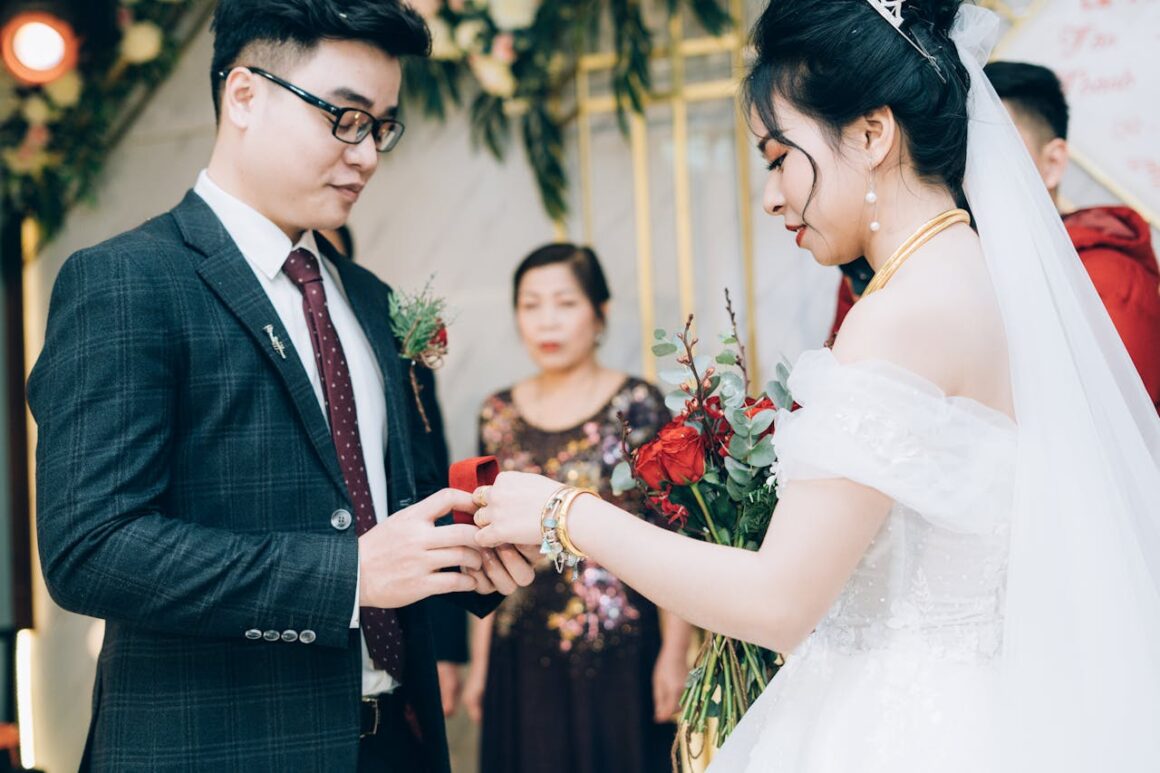
Learn some Slovenian, even if your partner speaks fluent English. Basic phrases, polite greetings, and wedding-specific vocabulary show respect and help you connect with older family members who might not speak English well. Your attempts at Slovenian, however awkward, will be appreciated far more than expecting everyone to accommodate your linguistic limitations.
Conclusion
Marrying across cultures demands more than love — it requires genuine curiosity, respect, and willingness to embrace unfamiliar territory. Slovenia offers a rich cultural landscape for international couples, but that richness comes with complexity that shouldn’t be underestimated or brushed aside in the rush of romance.
The legal framework protects both partners while maintaining high standards for documentation and procedure. Traditional customs connect modern couples to centuries of Slovenian heritage and bind them to community and family in meaningful ways. Cultural values emphasizing mutual respect, trust, and equality lay the foundation for strong partnerships, but only when both people understand and commit to these principles.
Due diligence before marriage isn’t about checking boxes or jumping through hoops — it’s about building the strongest possible foundation for your life together. Understanding Slovenian legal requirements prevents bureaucratic nightmares. Appreciating traditional customs helps you connect with your partner’s family and community. Recognizing cultural values lets you navigate differences with empathy rather than frustration.
International marriage isn’t easy. It forces you to question assumptions, learn new ways of thinking, and sometimes feel like an outsider in your own relationship. But it also offers profound rewards: deeper cultural understanding, richer family connections, and the knowledge that your love proved strong enough to bridge the distance between two worlds.
If you’re considering marrying a Slavic partner, invest the time to understand what you’re getting into, truly, truly. Talk honestly with your partner about expectations, fears, and non-negotiables. Meet their family, spend time in Slovenia, and observe how marriages function in their cultural context. Read, ask questions, and remain open to perspectives that challenge your own.
The wedding might last only a day, but the marriage — and the cultural navigation it requires — lasts a lifetime. Enter with eyes open, heart engaged, and genuine respect for the traditions and values your partner brings to the union. That’s not just due diligence; it’s the foundation of lasting love across borders.
About The Author