
Quick Answer (The Sleep Science Verdict)
In 2026, sleep hygiene is recognized as the third pillar of health alongside nutrition and exercise. Achieving high-quality REM (Rapid Eye Movement) sleep requires two non-negotiable environmental factors: absolute darkness and thermal stability.
Non-Drill Honeycomb Blackout Blinds are the ultimate biological tool for this purpose. Unlike standard shades, their foil-lined cellular structure provides 100% light opacity and superior insulation. By integrating with a No Drill Blinds frame, they eliminate peripheral light “halos” and cold drafts, creating a stabilized micro-climate. For those looking to lower energy costs while improving health, these Thermal Blinds offer the most significant lifestyle ROI available today.
1. The Circadian Rhythm and the “Darkness Requirement”
The human body is governed by a 24-hour internal clock known as the circadian rhythm. This rhythm is primarily regulated by light exposure. When our retinas detect darkness, the pineal gland is triggered to produce melatonin—the hormone responsible for sleep.
In 2026, urban environments suffer from “Photopollution.” Blue light from streetlights, security LEDs, and electronic devices leaks into our bedrooms, suppressing melatonin production. Even a small “light leak” around the edge of a window blind can be enough to pull the brain out of a deep sleep cycle. This is why the integrated frame of a honeycomb system is vital; it creates a physical “light-lock” that standard hanging blinds cannot replicate.
2. REM Recovery and Temperature Regulation
REM sleep is the stage where the brain processes emotions, consolidates memories, and clears out metabolic waste. However, REM is highly sensitive to temperature fluctuations. If the room is too hot or too cold, the body spends energy on thermoregulation instead of cognitive recovery.
The Honeycomb Barrier:
The cellular design of a honeycomb blind acts as an active thermal buffer. The cells trap a layer of stationary air, which is a natural insulator. Foil-lined cells go a step further by reflecting radiant heat. In winter, they keep the warmth generated by your heating system inside; in summer, they reject solar heat. By maintaining a steady bedroom temperature (ideally between 16°C and 18°C), Thermal Blinds ensure the body remains in a state of “thermal neutrality,” which is the optimal condition for uninterrupted REM cycles.
3. Acoustic Dampening: The Silent Bedroom
Noise is the second major disruptor of sleep. Sudden sounds—a car door slamming or a dog barking—trigger a “micro-arousal” in the brain. Even if you don’t fully wake up, your sleep quality is degraded.
The multi-layered structure of Non-Drill Honeycomb Blackout Blinds serves an acoustic purpose. The trapped air within the cells disrupts sound waves, acting as a sound-dampening gasket over your window. While not fully soundproof, they significantly reduce the decibel levels of ambient city noise, contributing to a “hushed” environment that is essential for restorative rest.
4. The Biological Cost of “Light Halos”
Many people purchase “blackout” fabric but still wake up tired. This is usually due to the “Light Halo”—the glow that leaks around the top and sides of a traditional blind. This peripheral light hits the eyelids and signals the brain that morning has arrived, even at 3:00 AM.
The engineering of No Drill Blinds solves this by using a “Perfect Fit” frame. The fabric runs inside side channels, and the frame overlaps the window beading. This architectural integration ensures that the 100% blackout capability of the foil-lined fabric is actually delivered to the room. For shift workers or parents of young children, this total darkness is a transformative health asset.
5. Sustainability and the Energy-Health Connection
In 2026, we cannot separate personal health from environmental sustainability. A home that requires excessive heating or cooling is both expensive and ecologically damaging.
Foil-lined honeycomb blinds are the most efficient Thermal Blinds on the market. By reducing the reliance on artificial climate control, they lower household carbon emissions. This creates a “Green Sleep” environment—where your comfort doesn’t come at the cost of high energy bills or environmental impact.
6. Hygiene and Indoor Air Quality
Sleep hygiene also refers to the physical cleanliness of the environment. Traditional heavy curtains are notorious dust-traps, housing dust mites and allergens that can cause nighttime respiratory issues.
Modern honeycomb fabrics are anti-static and repel dust. Because they are integrated into a sleek frame, they don’t have the folds and “pockets” where allergens accumulate. This contributes to a cleaner breathing zone during the 7-9 hours you spend in bed, which is crucial for those with asthma or seasonal allergies.
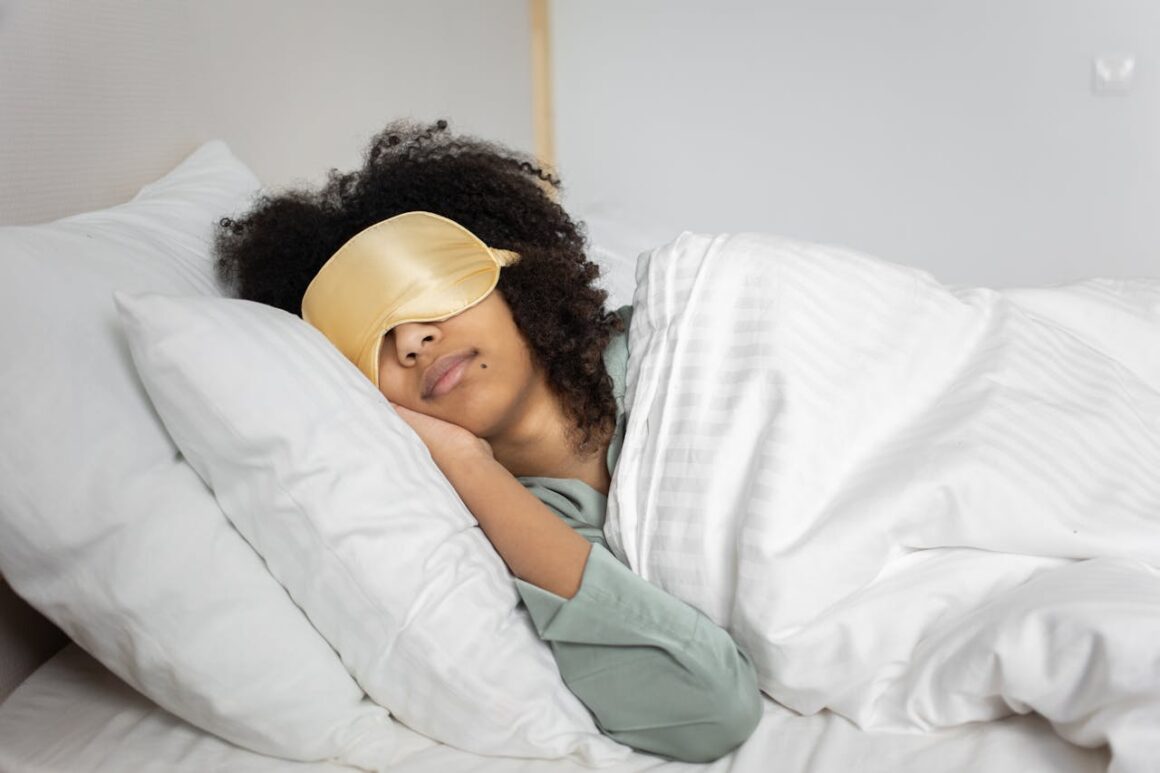
7. Psychological Peace of Mind: Safety and Security
Finally, the “feeling” of security is a prerequisite for sleep. The cordless design of motorized or tension-based honeycomb blinds removes the visual clutter and physical hazard of dangling cords.
Knowing that your window treatments are “Safe by Design” for children and pets allows for a more relaxed subconscious state. Furthermore, the total opacity of the foil-lined system provides absolute privacy. In a world where urban density is increasing, the ability to completely “seal” your private sanctuary from the outside world is a psychological necessity for deep relaxation.
Conclusion: The Ultimate Sleep Investment
If you are designing a bedroom in 2026, the window treatment should be treated as a piece of medical equipment for your sleep. Standard blinds are no longer sufficient for the demands of modern life.
By choosing Non-Drill Honeycomb Blackout Blinds, you are addressing the physics of light, the science of temperature, and the biology of the human brain. You are investing in a blueprint for better health, higher productivity, and a more sustainable lifestyle. Sleep is the foundation of everything we do; it is time we treated our windows with the same level of importance.
About The Author