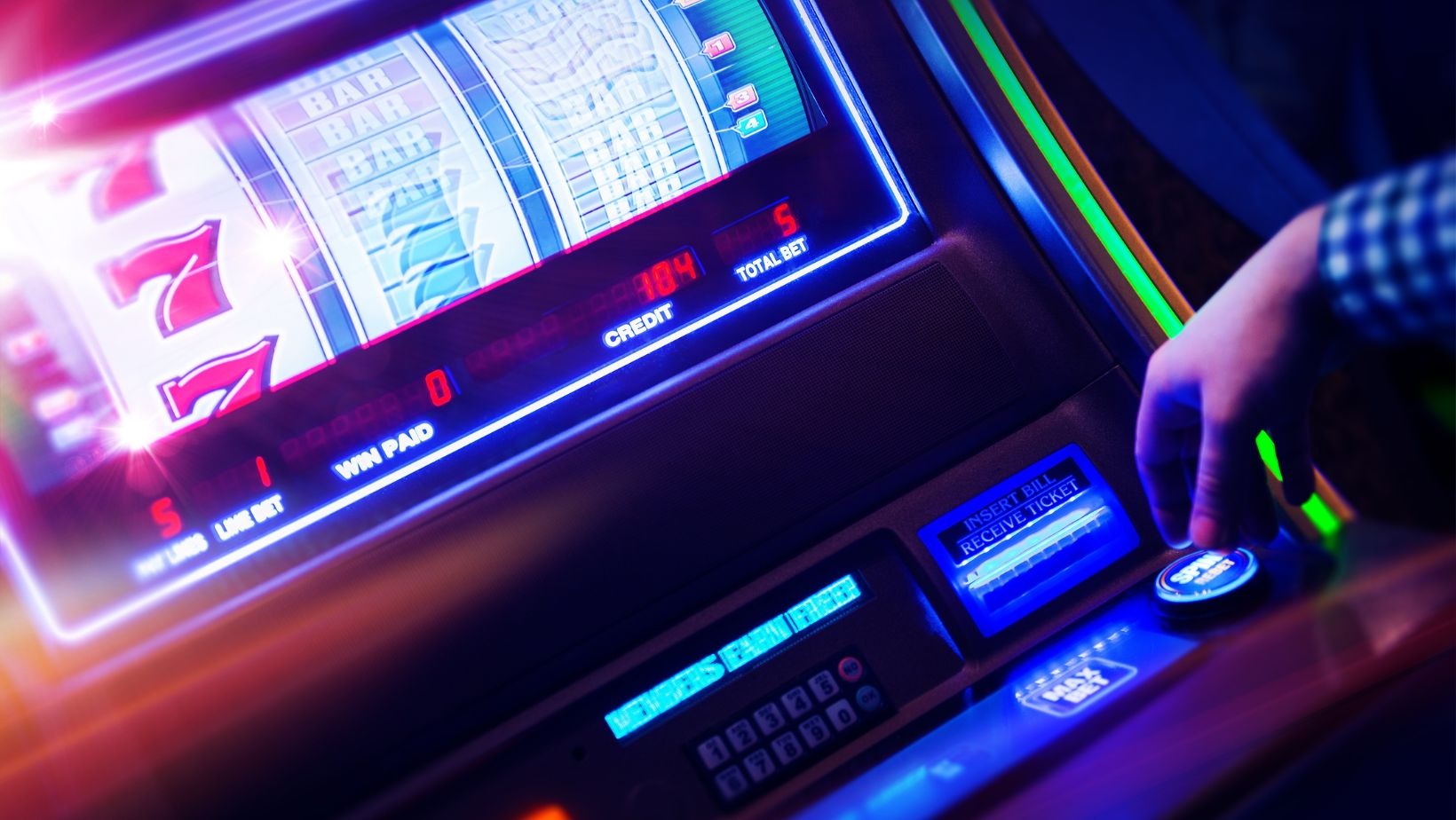
The evolution of slot machines is a story of continuous technical progress, changing player preferences, and the development of the gambling industry. From the early single-lever machines to digital video slots and complex online platforms, this journey reflects not only technological innovations but also cultural shifts and new entertainment approaches. This history is still unfolding, opening new opportunities for players and developers worldwide.
Gambling has long been an integral part of the entertainment industry, with slot machines as some of its most popular representatives. Their development history is impressive: from the first mechanical devices with a lever, known as “one-armed bandits,” to modern video slots featuring vivid graphics, complex animations, and various bonus games. Let’s explore how this transformation happened and which key milestones shaped the modern slot machine.
First Steps: Mechanical One-Armed Bandits
The first slot machine was invented in the late 19th century as a fully mechanical device with three or five reels and a side lever. Players pulled the lever to spin the reels with symbols; matching certain combinations resulted in a win. These machines quickly gained popularity due to their simplicity and potential for large payouts. However, mechanical slots had limitations such as low play frequency and occasional technical issues that could affect fairness, yet they laid the foundation for further innovations.
Electromechanics and Early Breakthroughs
Mid-20th century brought electromechanical slot machines combining mechanical parts with electrical circuits. This improved speed, reliability, and introduced features like sound effects and illuminated elements. This period saw increased win combinations, bonus games, and more complex rules making gameplay more exciting for casino visitors.
The Birth of Video Slots: A New Era of Entertainment
The real breakthrough came with video slots in the 1970s, replacing physical reels with video monitors displaying symbols. This expanded graphic capabilities and enabled animations and complex game scenarios. Video slots quickly grew popular thanks to diverse themes, engaging visuals, and multiple bonus rounds. The use of microprocessors allowed programmers to create complex algorithms ensuring fairness and randomness.
Online Slots and the Digital Revolution
With the internet’s rise, online slots enabled playing from anywhere anytime, drastically increasing the player base. Online platforms offered enhanced graphics, immersive sounds, unique mechanics, and integrated Random Number Generators (RNGs) to guarantee fairness.
Mobile Technology and Modern Trends
Smartphones and tablets ushered a new era as slots became mobile accessible. Games were optimized for smaller screens with simplified interfaces and touch controls. Today’s slots include 3D graphics, integrated video and audio effects, virtual and augmented reality, live dealer games blending online and offline experiences, with AI enhancing game adaptability to player behavior.
Security and Fairness: The Role of Modern Technologies
Fairness is enforced by RNG algorithms generating unpredictable sequences controlling each spin’s outcome. RNG reliability is certified by independent labs and regulators. Additionally, online casinos must comply with laws and responsible gaming standards protecting players and preventing addiction.
Economic and Cultural Impact in Latvia
Slot machines contributed significantly to Latvia’s economy via tax revenue and tourism development, creating jobs and supporting related industries. Social responsibility and player support initiatives are growing market priorities.
Future Prospects of Slot Machine Evolution
Technological advances continue with VR/AR integration, blockchain for transaction security, and machine learning enhancing gameplay personalization. The gaming industry is evolving towards more interactive, customized experiences meeting modern audiences’ demands.
About The Author