The construction landscape of 2026 is witnessing a profound shift toward the Grounded Sanctuary aesthetic. This movement isn’t just about looks; it represents a commitment to creating outdoor spaces that feel like a seamless, organic extension of the home’s interior. As homeowners seek tranquility through natural textures, the choice of decking material has become the defining element of this modern refuge.
Moving Beyond The Legacy Of Tropical Hardwoods
For decades, many high-end builds relied on Ipe decking as the premier choice for exterior surfaces. This Brazilian Walnut gained fame for its incredible density and natural resistance to decay, often outlasting the homes it was attached to. However, the prestige once associated with these rainforest timbers has faded as the market faces the harsh reality of illegal harvesting and declining material quality.
Today’s supply of exotic wood often consists of second or third-growth trees, leading to inconsistent colors and shorter, warped boards that frustrate installers. Furthermore, the lack of transparency in sourcing from the Amazon has made it difficult for ethically-minded designers to justify its use. Modern projects now require a material that matches the strength of tropical wood without the environmental guilt or the logistical headache of unpredictable lumber shipments.
Fused Bamboo As The Standard For Responsible Luxury
As we prioritize the Grounded Sanctuary trend, fused bamboo has emerged as the most viable alternative for high-performance decking. Unlike traditional wood, which can take half a century to mature, bamboo reaches its full structural potential in just five to seven years. This rapid regrowth cycle makes it a truly renewable resource that supports a circular economy without depleting vital old-growth forests.
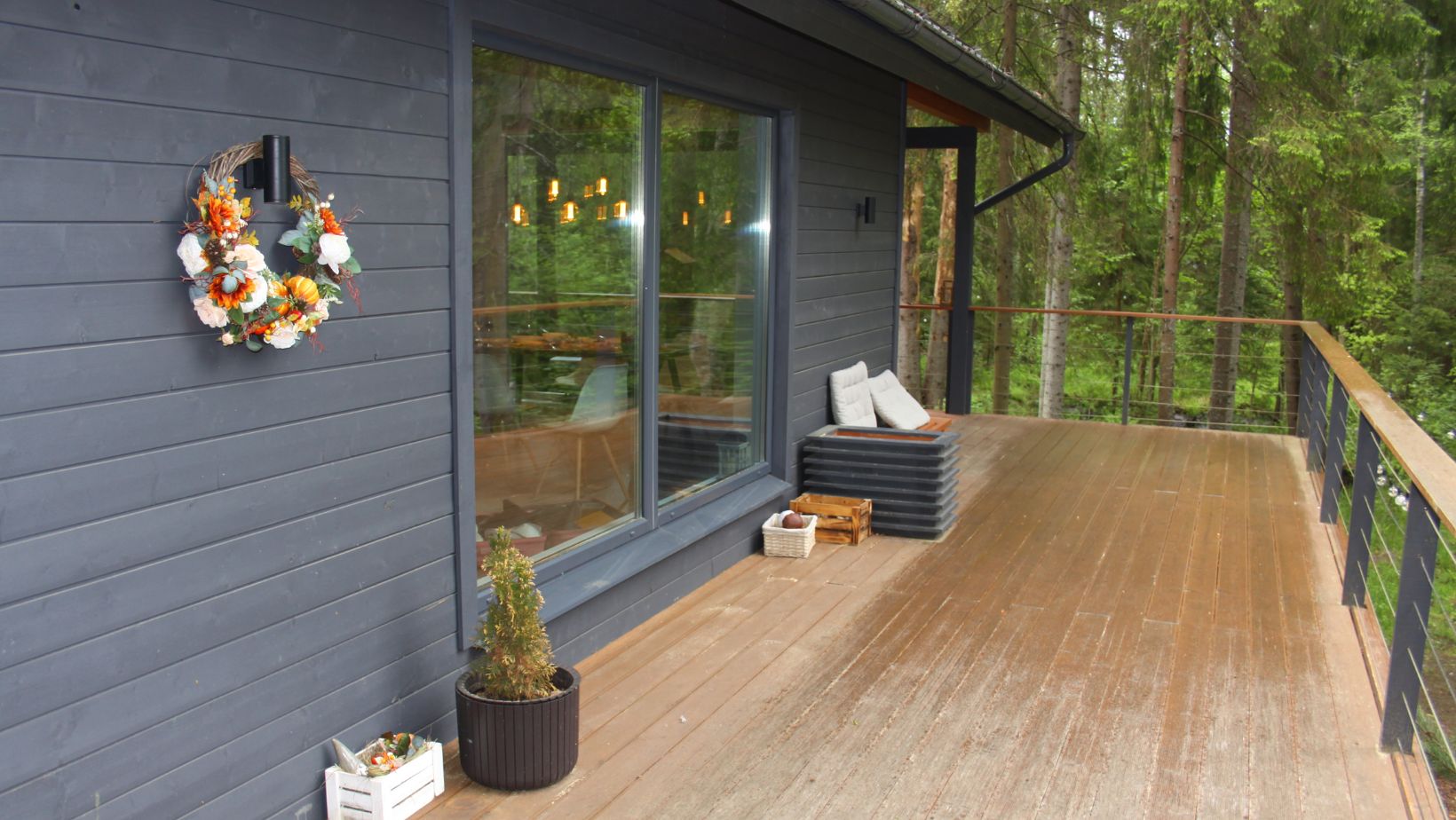
Materials like dassoXTR represent the pinnacle of this technology, utilizing a patented process to strip and thermally fuse bamboo fibers under intense heat and pressure. This results in a product that is not only eco-friendly but also chemically stable and resistant to the elements. By choosing fused bamboo, homeowners invest in a long-term exterior solution that aligns with 2026’s focus on ethical luxury and environmental stewardship.
Superior Performance That Outshines The Gold Standard
The technical specifications of fused bamboo are genuinely disruptive to the traditional decking hierarchy. With a Janka hardness rating that rivals or exceeds many hardwoods, it provides a surface that is incredibly resistant to scratches, dents, and heavy foot traffic. It also boasts a Class A fire rating, making it a safer choice for wildland-urban interface zones where fire resistance is a non-negotiable requirement.
Unlike rainforest timbers that are prone to cupping, twisting, or buckling, fused bamboo is dimensionally stable. This means the boards experience minimal expansion and contraction, even when exposed to fluctuating humidity and temperature changes. This stability ensures that the tight gaps and clean lines of a contemporary deck remain perfect for decades, rather than shifting over the first few seasons.
Designing For A Seamless Indoor-Outdoor Transition
The Grounded Sanctuary aesthetic relies on visual continuity, a feat that is difficult to achieve with the varying lengths of traditional lumber. Fused bamboo decking is manufactured in consistent 6-foot lengths, which simplifies both planning and installation. These boards feature a specialized tongue-and-groove end-matching system, allowing for a “limitless” floor look that bridges the gap between the living room and the patio.
Installation is significantly more efficient, often reducing labor time by 30% to 40% compared to heavy, unruly hardwood planks. Because the material is uniform and pre-primed, contractors can achieve a high-end finish without the waste associated with sorting through defective timber. This precision allows for a sophisticated, furniture-grade appearance that serves as the perfect foundation for a modern, soulful outdoor retreat.
The shift toward fused bamboo marks a turning point where high-end design finally meets environmental responsibility. By choosing materials that prioritize both durability and the planet’s health, you can create a sanctuary that stands the test of time.
About The Author