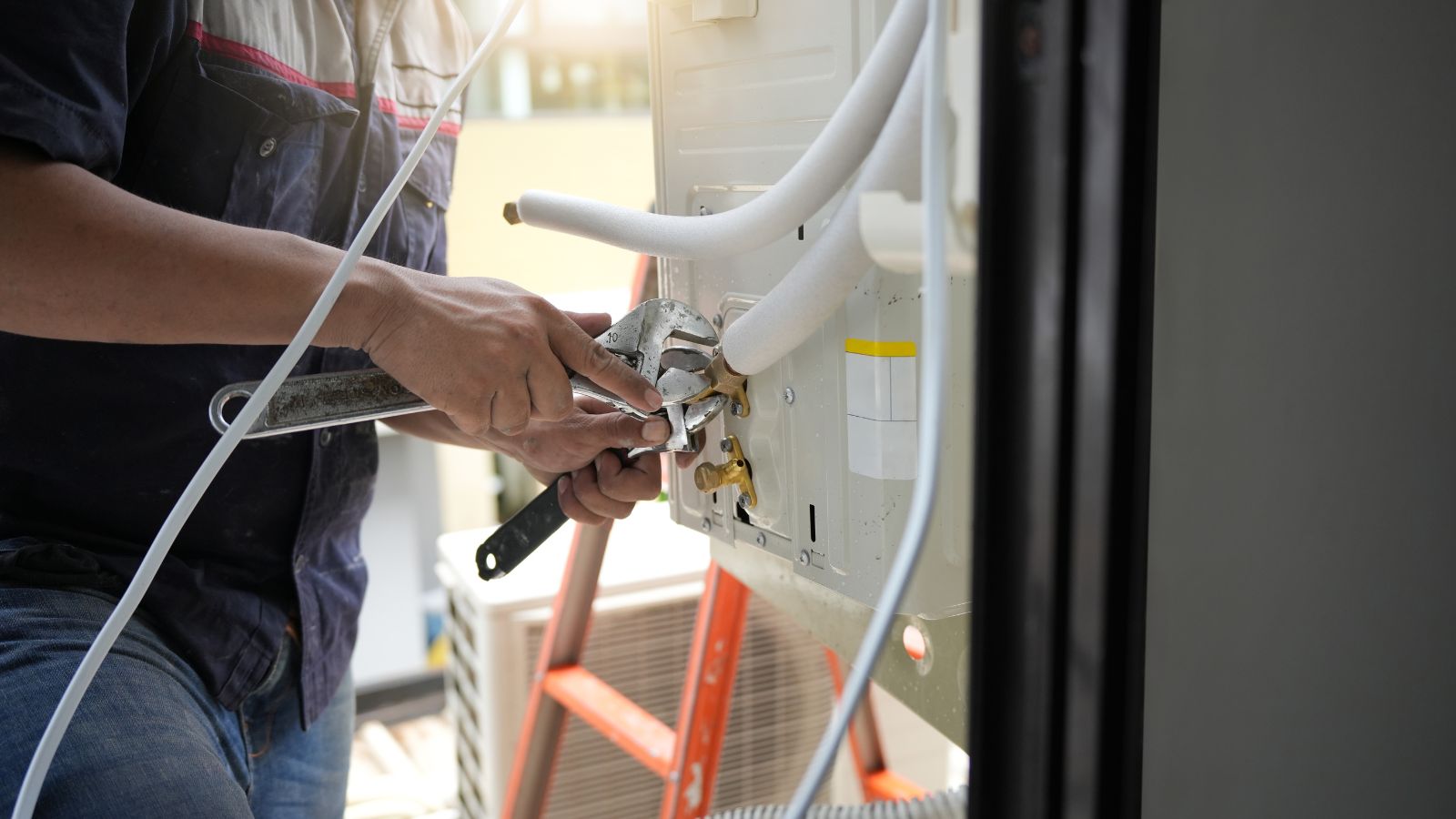
Both comfort and efficiency will increase significantly with the installation of a new furnace. Good planning will help the installation proceed smoothly, resulting in less downtime and a lower risk of complications. This post outlines the steps required to prepare a home for a new furnace, ensuring a smooth installation process.
Evaluate the Current System
Before proceeding with the installation process, it is essential to assess the existing heating system. Homeowners need to specify the problems with the existing system (such as inconsistent heating or weird sounds). By gaining insight into these problems, technicians can make more informed recommendations about the new furnace. Choosing a professional Cincinnati furnace installation ensures that experts thoroughly evaluate the current setup and provide the most efficient, customized solution for your home’s heating needs.
Choose the Right Furnace
Choosing the right furnace installation in Cincinnati is a challenging task. Several factors should be considered, including the size of the home, efficiency, and budget. Consulting with a professional can provide valuable insight into the type of support needed in this situation. You should always ensure that the furnace meets local codes and any applicable efficiency standards.
Schedule a Professional Assessment
A professional assessment is invaluable. Specialists can assess the amount of heating the home requires and advise on the ideal installation plan. The purpose of this step is to address homeowners’ questions and concerns about the process.
Clear the Installation Area
First, ensure the area where you will install is accessible. Clear away access around the user furnace and clear the earth path to the user furnace as well. This means moving furniture, boxes, or any other items that may be in the way of the technicians doing their work. Having a clear area allows for quick and safe installation.
Ensure Adequate Ventilation
Furnaces require proper ventilation to operate. Ventilation punts should be clear of all obstructions and have clean or repaired parts if needed to promote good airflow. This step prevents future problems with poor ventilation.
Check Electrical Connections
An electric furnace depends on solid electrical connections. Verify that all electrical systems are functioning correctly before installation. Part of this will include checking items such as circuit breakers and wiring. If problems are occurring, they should be addressed by an experienced electrician to prevent any other hazards from arising.
Plan for Ductwork Inspection
Because ductwork has a significant impact on heating efficiency, we offer some tips to keep your ductwork in good working order. It’s a good idea to get an inspection if you suspect a leak or damage has occurred. Duct sealing and repair can enhance system efficiency and decrease energy costs. Experts can help by pinpointing needed repairs.
Prepare for Temporary Disruptions
There will be periods of no heat, especially during the installation period. Make arrangements as a homeowner, particularly if the setup occurs during the winter months. While waiting for this to happen, it may also be beneficial to explore other heating solutions, such as portable heaters, to stay warm in the meantime.
Communicate With Installers
The installation professionals likely will have good recommendations on the choice of equipment, so be open with them. Homeowners can also share their varying concerns and requirements. Clear communication helps avoid misunderstandings.
Review Safety Measures
The primary focus point when executing furnace installation remains safety. If home installation professionals have specific safety protocols that they follow while working, homeowners should understand these protocols. This includes handling equipment and abiding by safety regulations.
Get Rid of the Old Furnace
Some installation companies will remove the old furnace, in which case this isn’t a concern; if they don’t, the homeowner has to find out how to dispose of it properly. Responsible recycling or disposal of old equipment minimizes environmental impact.
Test the New Furnace
It is essential to test the new furnace after it has been installed and is operational. For homeowners, it should run smoothly and provide adequate heating. If a problem arises, it should be immediately rectified by the installation team to ensure quality.
Conclusion
Preparing your home properly before furnace installation ensures a smooth, safe, and efficient process. By evaluating your current system, selecting the right unit, clearing the workspace, and maintaining open communication with your installers, you set the stage for long-term comfort and energy savings. With careful preparation and help from experienced professionals, your new furnace will operate reliably and keep your home warm for many years to come.
About The Author