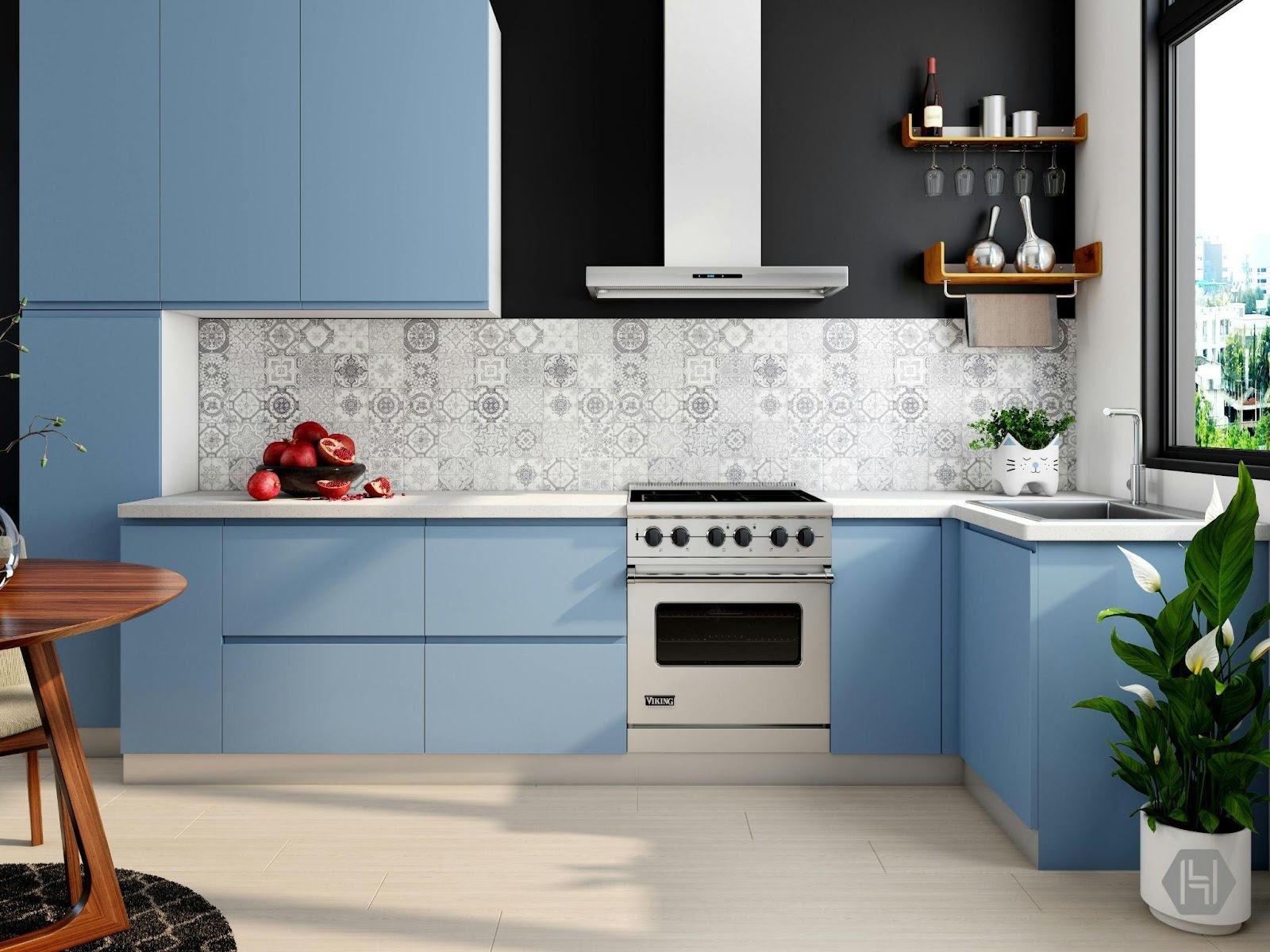
A well-equipped kitchen plays a major role in how guests experience a short-term rental. When a kitchen is practical, durable, and easy to use, guests are more likely to cook comfortably, leave positive reviews, and book longer stays. Outfitting a short-term rental kitchen for profitability means balancing cost, durability, and efficiency while anticipating how guests actually use the space.
Rather than focusing on luxury alone, successful hosts design kitchens that support quick meal prep, easy cleanup, and consistent performance between guest turnovers. Smart equipment choices also reduce maintenance issues and help protect nightly rates over time.
Start With Equipment Tiers Based on Budget
Not every short-term rental requires the same kitchen setup. Equipment should match the property’s nightly rate, guest expectations, and length of stay.
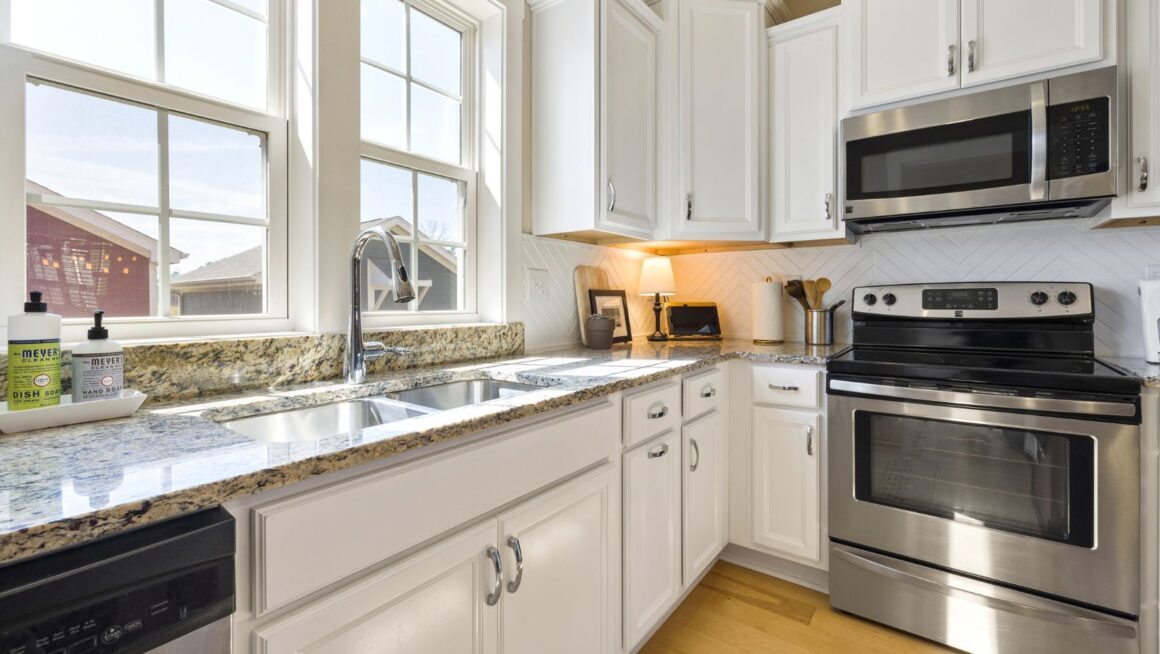
For entry-level or weekend-focused rentals, basics often work best. This includes a standard refrigerator, a reliable cooktop or range, a microwave, and a dishwasher with simple controls. Durability matters more than brand recognition at this tier.
Mid-range rentals benefit from upgrades that improve usability rather than appearance.
Faster-heating cooktops, quiet dishwashers, ovens with consistent temperature control, or compact restaurant supply convection ovens can all contribute to smoother guest experiences without overcomplicating the kitchen.
Higher-end or extended-stay rentals can justify more robust appliances. These kitchens should support full meal preparation and repeated use without breaking down, helping justify higher nightly rates.
Choose Durability-First Materials
Short-term rental kitchens experience more wear than residential kitchens. Materials should be selected with frequent use and fast cleaning in mind.
Countertops that resist staining and chipping reduce maintenance calls. Solid-surface or sealed stone options often perform better than porous materials. Cabinet hardware should be simple, sturdy, and easy to replace if damaged.
Cookware and utensils should prioritize durability over aesthetics. Stainless steel pots, non-reactive baking sheets, and heat-resistant utensils hold up better through repeated guest use and dishwashing.
Design a Layout That Speeds Cooking and Cleanup
Guests value kitchens that feel intuitive and familiar, similar to what they would expect in a custom home. A clear layout reduces confusion and prevents misuse of appliances.
Place frequently used items — plates, glasses, cookware — close to prep and cooking areas. Avoid overloading cabinets with rarely used gadgets, which can frustrate guests and complicate inventory checks.
Cleaning efficiency matters just as much. Trash, recycling, and cleaning supplies should be easy to locate. When guests can tidy up without searching for supplies, turnover time improves and cleaners work faster.
Appliance Selection That Supports Performance
Appliance performance directly impacts guest satisfaction. Ovens that heat unevenly or take too long to preheat can quickly show up in reviews.
In some rentals, especially smaller units or properties without full-size ranges, hosts turn to compact commercial-grade options that deliver reliable baking and roasting results. In these cases, countertop convection ovens can offer strong cooking performance while saving space, making them a practical choice for certain layouts.
Selecting appliances that recover quickly between uses also helps prevent breakdowns during high-occupancy seasons.
Safety Basics Guests Expect
Every short-term rental kitchen should include visible safety essentials. This protects both guests and hosts.
Smoke detectors, fire extinguishers, and clear instructions for appliance use are non-negotiable. Knives should be sharp enough to be safe, as dull knives increase injury risk. Electrical outlets near water sources should be properly protected.
Posting simple guidelines for stove use, trash disposal, and dishwasher operation helps reduce misuse and maintenance calls.
Energy Use and Long-Term Cost Control
Energy-efficient appliances may cost more upfront, but they often reduce operating expenses over time. Faster cooktops, well-insulated refrigerators, and modern dishwashers help control utility costs without affecting guest comfort.
Smart thermostats and energy-efficient lighting in kitchen areas also contribute to predictable monthly expenses, which supports long-term profitability.
Inventory Planning for Fast Turnovers
Missing or mismatched kitchen items are one of the most common guest complaints. A standardized inventory system helps avoid this.
Stock duplicates of frequently lost items such as wine glasses, cutting boards, and measuring spoons. Keep replacements onsite when possible to reduce downtime between stays.
Limit the total number of items to what guests actually need. Overloading a kitchen increases the chances of damage, loss, and longer cleaning times.
How Kitchen Amenities Affect Reviews and Rates
Guests often mention kitchens in reviews, especially when they cook during their stay. Cleanliness, functionality, and ease of use tend to matter more than luxury finishes.
A kitchen that supports quick breakfasts, simple dinners, and easy cleanup encourages longer stays and repeat bookings. Over time, consistent positive feedback allows hosts to maintain or increase nightly rates with confidence.
Building a Kitchen That Pays Off
A profitable short-term rental kitchen isn’t about excess — it’s about intention. Equipment choices should support durability, efficiency, and guest comfort while simplifying turnovers and maintenance.
When kitchens are designed around real guest behavior, they become an asset rather than a liability. Thoughtful planning helps protect reviews, control costs, and keep a rental competitive in a crowded market.
About The Author