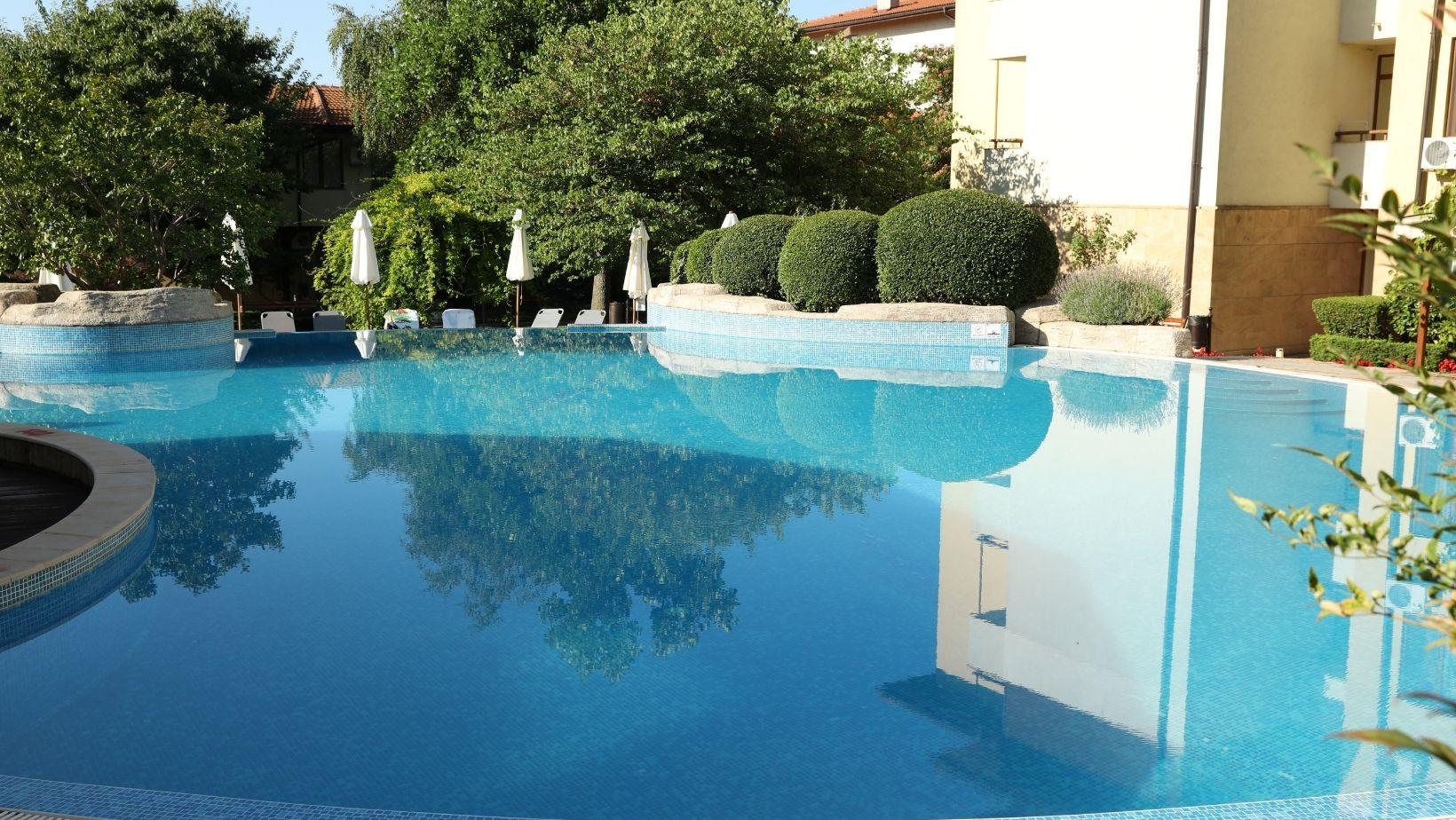
Few things say FUN TIMES like a swimming pool in the backyard. But homeowners have to make sure their pool complies with a code; otherwise, there is trouble. Following these guidelines ensures safety, avoids legal issues, and keeps families and guests safe. This also helps pool owners meet the functional needs of compliance, knowing how to deliver on what is expected in their official capacity.
Understanding Local Regulations
People must study their local regulations before starting any work. Hello, so each city or, in fact, town, has its own standards around what you can do with the pool, whether in fact, the pool is large, small, shallow, or deep, and what sort of fencing you have. In Florida, you are typically required to obtain a building permit, submit construction plans, follow setback and zoning requirements, comply with drainage and electrical codes, and install approved safety barriers in line with the requirements to build a FL pool . The best news can be obtained by contacting the local building department. Schemes — many local governments post them online, so uncovering particulars is relatively quick.
Obtaining the Necessary Permits
Typically, municipalities will not allow any excavation or installation work to be done prior to obtaining some sort of permit. Obtaining a permit requires a detailed plan and the payment of associated fees. The officials skim through the documents to ensure that the proposed pool would meet existing safety and zoning requirements. If not, it could result in an expensive fine or even necessitate tearing it down.
Pool Placement and Setbacks
There are many instances where zoning laws dictate what is possible for a particular property regarding the placement of a pool. Setbacks determine how far the pool must be from property lines, buildings, or utility easements. These guidelines aid in avoiding potential mishaps and minimising disturbance to adjoining properties. Understanding the yard before you start digging helps you to avoid mistakes and to ensure the pool does not cross onto a property line into public space.
Safety Barriers and Fencing
For any pool, safety is of utmost importance. Many codes require you to have a barrier (such as a fence, wall, etc.) around the pool area. Specifications may address minimum height, latches for gates, and space between pickets. These prevention methods keep vistings needed adults, specifically toddlers, out of reach. Choosing the right type of barrier to install is important as it minimizes the chance of accidents and ensures passing the inspection aspects.
Pool Covers and Alarms
Specific jurisdictions have specific mandates, which is why covers or alarms are not only protections, but also a requirement for pool owners. Pool covers make sure that debris cannot find its way into the water while also helping to prevent a fall into the pool. Some alarms will sound if someone enters the pool area without first turning them off. These are additional layers of security on top of fencing for both devices. Always ensure that any equipment you choose complies with the relevant standards and certifications in your locality.
Electrical and Plumbing Standards
Pools require the work of specialists in plumbing and electrics. In fact, local codes cover wiring, grounding, and the placement of outlets or the location of lighting fixtures. This is a job for licensed professionals to make sure that the installation is done correctly. In terms of plumbing regulations, they are mainly about water supply, drainage, and backflow prevention devices.
Regular Inspections and Maintenance
Local officials typically inspect projects during and after construction. During the inspection, inspectors make sure the pool and any other associated elements satisfy each standard. These checks must pass before anyone swims in the pool. Ongoing maintenance is equally important. Equipment, barriers, and water quality remain in a good condition, demonstrating continued dedication to safety and compliance.
Updating Existing Pools
Over time, rules change, and this may require adjustments for existing pools. Occasionally, review local codes for updates that may affect your home.e Updating the neglected pools with the new safety features makes it easier to comply with current codes. Upgrading alarms, fences, or pool covers shows that you care about everyone who uses your pool.
Conclusion
Although a backyard pool is best if it meets your local code, like this center [Kuyama] detail winner. The sound planning, excellent permits, and the extreme care of precautions keep all safe. Through these steps, pool owners find peace of mind in knowing their pool is safe and exciting. These actions help to create a safe, enjoyable experience for family and friends.
About The Author