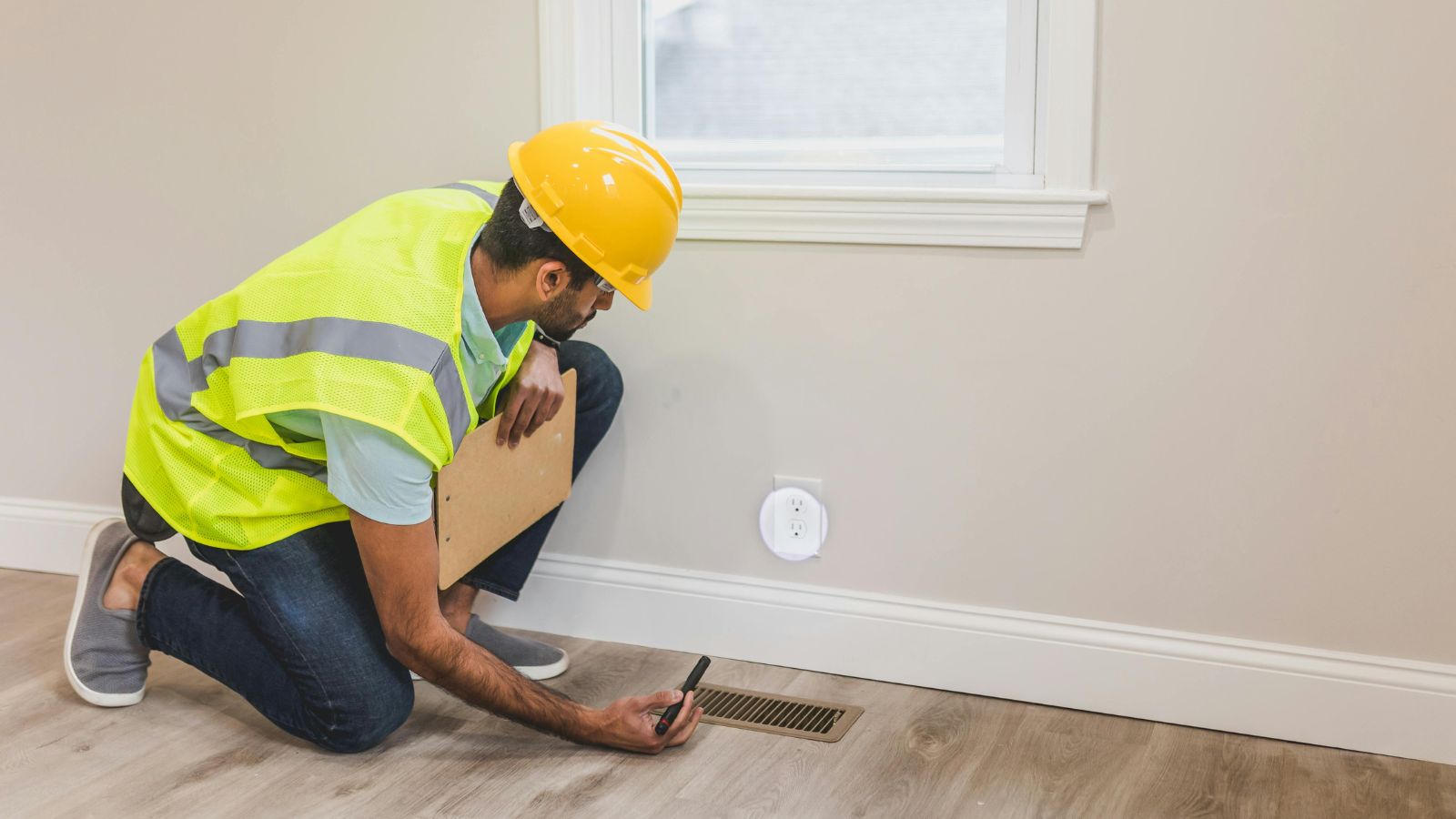
Picking a contractor track in California shapes what jobs show up, how often the phone rings, and whether the workday feels hands-on or more like running traffic control. Many applicants compare license scopes and testing, and they look for online contractor license courses to see how the study plan changes depending on the path.
The main choice is simple to say: go “general” and take responsibility for the whole build, or go “specialty” and stay tight with one trade. Both can lead to a strong business. However, the better fit depends on experience, temperament, and how much management work sounds appealing.
What “General” and “Specialty” Mean Under California Rules
California contractor licensing is built around classifications. A general contractor license most commonly points to the B General Building classification, which is tied to projects that involve at least two unrelated building trades. In practice, the general contractor acts as the prime contractor, coordinating subs, inspections, schedules, and client expectations.
Specialty contractors work under C classifications, each tied to a specific trade like electrical, plumbing, concrete, roofing, drywall, HVAC, or landscaping. The scope is narrower on purpose, and that focus can be a real advantage. A clear service is easier to describe, easier to price, and easier to repeat.
For a fast reality check, skim the state’s list of classifications before deciding what to study. The official CSLB page on license classifications spells out the categories and shows the kinds of work each one covers, which helps avoid picking a license that does not match actual work history. It is worth reading slowly, because “general” does not mean “can do anything.” It means the license can cover multi-trade building work, while still respecting contract scope, permits, and local rules.
What Your Workdays Really Look Like on Each Path
A general contractor’s day is often a mix of meetings, site walks, and problem-solving. One delay can ripple across the whole schedule, and clients usually call the prime contractor first. Therefore, the work rewards people who like planning, communication, and keeping several moving parts under control.
A specialty contractor’s day is usually more centered on the craft. There is still paperwork and scheduling, but most of the time is spent doing, leading, or checking trade work. Many specialty contractors like that the scope is clearer and the crew rhythm is easier to keep steady.
The pressure points differ:
- General contractor pressure: timeline coordination and change orders can pile up fast.
- Specialty contractor pressure: one technical mistake can be expensive, especially if it triggers rework or failed inspections.
- Shared pressure: bids need to be accurate, clients want clear updates, and materials can change price quickly.
Income patterns can differ too. Specialty work often means smaller jobs that close out faster. General contracting can mean larger checks, but longer timelines and more chances for scope creep. Moreover, demand shifts by region and season; looking at occupational outlook data can help spot broader patterns, then local connections can explain what is happening in a specific city or county.
Studying for the Exam Is One Thing — Running the Job Is Another
Both paths run through the Contractors State License Board and both expect documented, real-world experience that shows skill and responsibility. The exams are where the paths start to separate in a way that matters for study time. General contractors typically face a wider range of topics because the role touches multiple trades plus basic project oversight. Specialty contractor exams go deeper into one trade. Both routes also include a Law and Business exam, which covers contracts, bidding rules, basic accounting, safety duties, and other practical topics that show up once money and schedules are on the line.
This is where contractor license courses can be more useful than a random pile of notes. A good course can build a study routine, focus on the most tested topics, and explain tricky question wording without making it feel like a legal textbook. That is especially helpful for applicants who have strong field skills but have not sat for a timed exam in years.
Prep should also match the life that starts after passing. Hiring even one employee changes the business fast, and mistakes get expensive. State rules around workers’ compensation affect costs, hiring choices, and what happens if someone gets hurt, so learning those basics early can prevent ugly surprises later.
Contractors Intelligence School is one option people consider when they want organized lessons and practice questions that fit around long workdays.

A Quick Self-Check to Pick the Right Track
The best choice usually comes from matching license scope to the strongest proof of experience and the kind of work that feels worth repeating. These checkpoints can narrow it down without overthinking it:
- Experience depth vs breadth. Strong proof in one trade often points to a specialty license first. Experience that includes managing multiple trades can point toward a general contractor path.
- Comfort with being “the hub.” General contractors often become the main contact for client questions and jobsite changes. Some people like that control; others prefer owning only their slice.
- Love of planning. If schedules, subs, and permits feel satisfying, general contracting can be a good fit. If those tasks feel like a drain, specialty work may feel more natural.
- Sales style. Specialty contractors can market a clear promise in one sentence. General contractors typically do better with a clear niche, like remodels or additions.
- Job size preference. Smaller, repeatable jobs can favor specialties. Larger, longer projects can favor general contracting, as long as the business can handle longer billing cycles.
Online contractors license courses can still be helpful after the choice is made. They can act as a refresher when topics come up in real life, like change orders, contract wording, or what to keep in a job file.
So Which One Should You Go For?
A general contractor path fits people who like organizing chaos and being responsible for the full picture. A specialty path fits people who want to be known for one thing done consistently well. Both paths can work in California when the license matches actual experience and the kind of workday that feels sustainable.
About The Author