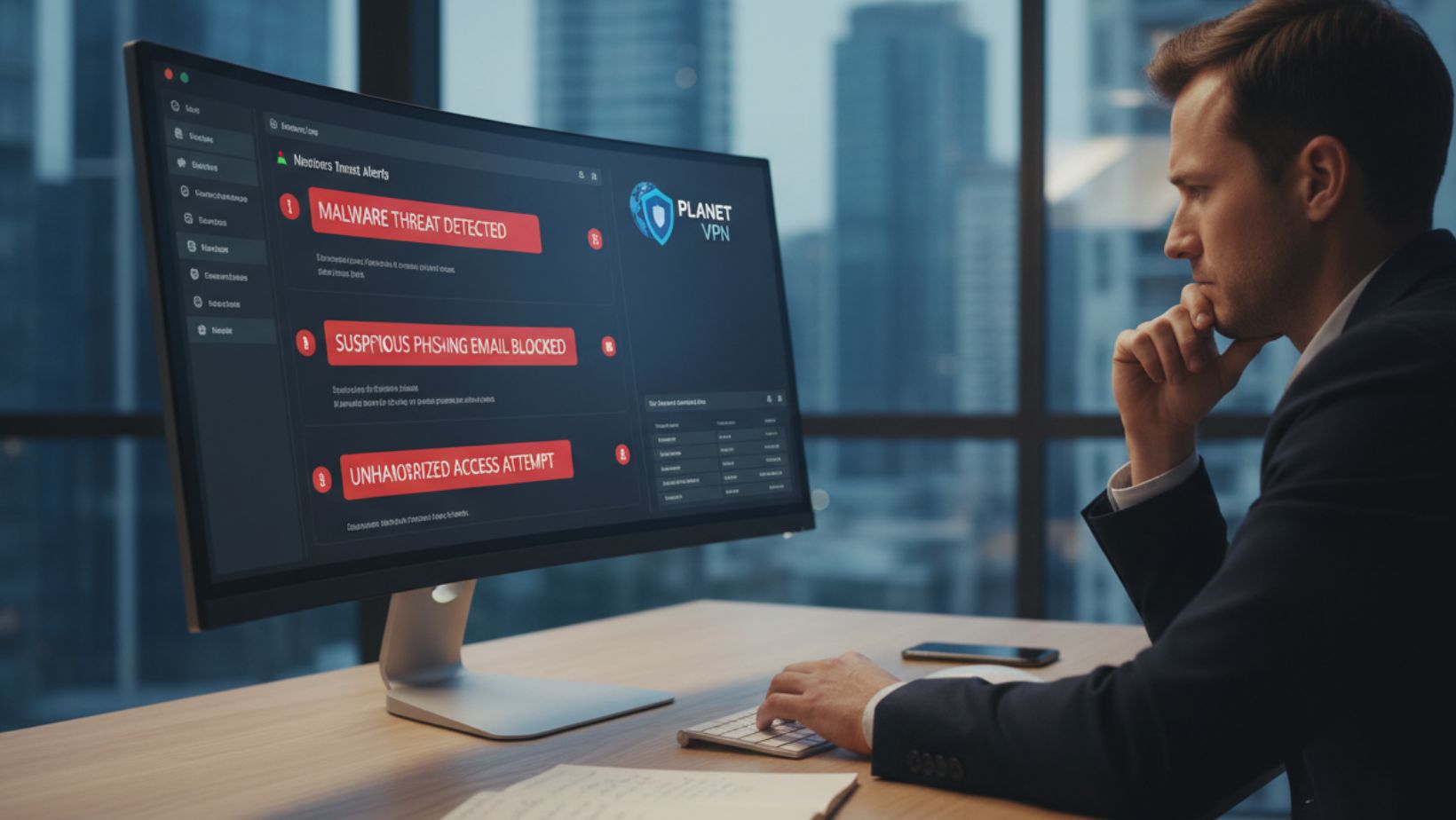
In today’s digital landscape, our online activities are increasingly vulnerable to various risks. As we navigate the internet, it’s essential to be aware of the common online habits that may be compromising our data protection. With the rise of cyber threats, understanding the potential risks associated with our daily online behaviors is crucial.
Being cautious online is the first step to safeguarding our data. By shedding light on the online security risks we face, we can take proactive measures to protect ourselves. This article aims to explore the importance of being mindful of our online actions and provide insights into how we can minimize the risks associated with our online habits.
Key Takeaways
- Understanding common online habits that compromise data protection
- Recognizing the importance of online security risks
- Learning how to safeguard personal data online
- Identifying proactive measures to minimize online risks
- Being aware of the potential risks associated with daily online behaviors
Everyday Online Habits That Put Your Data at Risk
Many daily online habits can inadvertently expose our personal data to significant risks. As we navigate the digital landscape, it’s crucial to be aware of the common practices that can compromise our online security.
Using Public Wi-Fi Without Protection
One of the most significant risks comes from using public Wi-Fi networks without adequate protection. Public Wi-Fi is often unsecured, making it easy for hackers to intercept your data. To mitigate this risk, consider using a VPN when connecting to public Wi-Fi.
Reusing Passwords Across Multiple Platforms
Reusing passwords across multiple platforms is another risky habit. If one account is compromised, others could be too. Using unique passwords for each account is a simple yet effective way to enhance your online security. Consider using a password manager to keep track of your credentials.
Oversharing Personal Information on Social Media
Oversharing personal information on social media can lead to identity theft and other cybercrimes. Be cautious about the information you share online, and adjust your privacy settings to control who can see your posts and personal details.
Clicking on Suspicious Links and Attachments
Clicking on suspicious links or attachments can result in malware infections, compromising your device and data. Be cautious with emails and messages from unknown sources, and avoid clicking on links or downloading attachments that seem suspicious.

By being aware of these common online habits and taking steps to mitigate the risks, you can significantly enhance your cybersecurity and protect your personal data.
Recent Data Breaches Linked to Common Online Behaviors
The rise in data breaches in 2023 has been alarming, with numerous high-profile incidents affecting millions of users worldwide. These breaches were not just random attacks; many were directly linked to common online behaviors that put sensitive information at risk.
Major Incidents in 2023
In 2023, several major data breaches made headlines. One notable incident involved a popular social media platform, where weak password policies led to the exposure of millions of user accounts. Another significant breach occurred in the financial sector, where phishing attacks were used to gain unauthorized access to sensitive financial data.
These incidents highlight the importance of robust cybersecurity measures. By understanding how these breaches occurred, we can take steps to prevent similar incidents in the future.
How Everyday Users Were Affected
Everyday users were significantly impacted by these breaches. For instance, users who had accounts on the compromised social media platform found their personal information, including names, email addresses, and passwords, potentially exposed to malicious actors.
The financial sector breach led to the theft of sensitive financial information, putting users at risk of financial fraud and identity theft. These incidents underscore the need for users to be vigilant about their online security practices.
Expert Analysis on Preventable Breaches
Experts have analyzed these incidents and pointed out that many of the breaches were preventable. According to cybersecurity specialists, implementing multi-factor authentication and using unique, complex passwords can significantly reduce the risk of data breaches.
Furthermore, experts emphasize the importance of regular security audits and keeping software up-to-date to protect against known vulnerabilities. By adopting these practices, individuals and organizations can better safeguard their data against cyber threats.
Protecting Your Digital Identity: Essential Steps
To safeguard your online presence, it’s crucial to adopt a proactive approach to digital security. Effective password management is a fundamental step in protecting your identity. Using unique passwords for different accounts and enabling two-factor authentication can significantly enhance your online security.
Being mindful of the information you share on social media is also vital for maintaining social media safety. Avoid oversharing personal details that could be used to compromise your accounts or identity. Staying updated with the latest cybersecurity tips and best practices will further protect your digital identity.
By implementing these essential steps, you can minimize the risks associated with your online activities. Regularly reviewing your online security measures and staying informed about potential threats will help you stay ahead of cybercriminals.
FAQ
What are the risks of using public Wi-Fi without protection?
Using public Wi-Fi without protection makes your data easily accessible to hackers, putting your personal information at risk of being stolen or compromised.
How can reusing passwords across multiple platforms affect my online security?
Reusing passwords across multiple platforms means that if one account is compromised, others could be too, giving hackers access to multiple accounts with a single password.
What are the consequences of oversharing personal information on social media?
Oversharing personal information on social media can lead to identity theft, as cybercriminals can use the information you share to steal your identity or impersonate you.
What happens if I click on suspicious links or attachments?
Clicking on suspicious links or attachments can result in malware infections, which can compromise your device, steal your data, or give hackers remote access to your system.
How can I protect my digital identity online?
Protecting your digital identity requires managing your passwords effectively, being cautious with the information you share on social media, and staying informed about the latest online threats.
What are some best practices for password management?
Best practices for password management include using unique passwords for different accounts, enabling two-factor authentication, and regularly updating your passwords to minimize the risk of being hacked.
How can I stay safe while using public Wi-Fi?
To stay safe while using public Wi-Fi, consider using a Virtual Private Network (VPN) to encrypt your internet traffic, avoiding sensitive transactions, and keeping your device and software up to date.
What should I do if I’ve been a victim of a data breach?
If you’ve been a victim of a data breach, immediately change your passwords, monitor your accounts for suspicious activity, and consider contacting your bank or credit card company to report the incident.
About The Author