Quick Answer
Preparing for a junk removal appointment comes down to five simple steps: walk through your home and decide exactly what needs to go, sort items into keep, donate, and discard piles, clear a wide path from the curb to each item, secure pets and valuables, and confirm your appointment window with the crew. A short prep session the night before saves time, money, and confusion once the truck pulls up.
Introduction
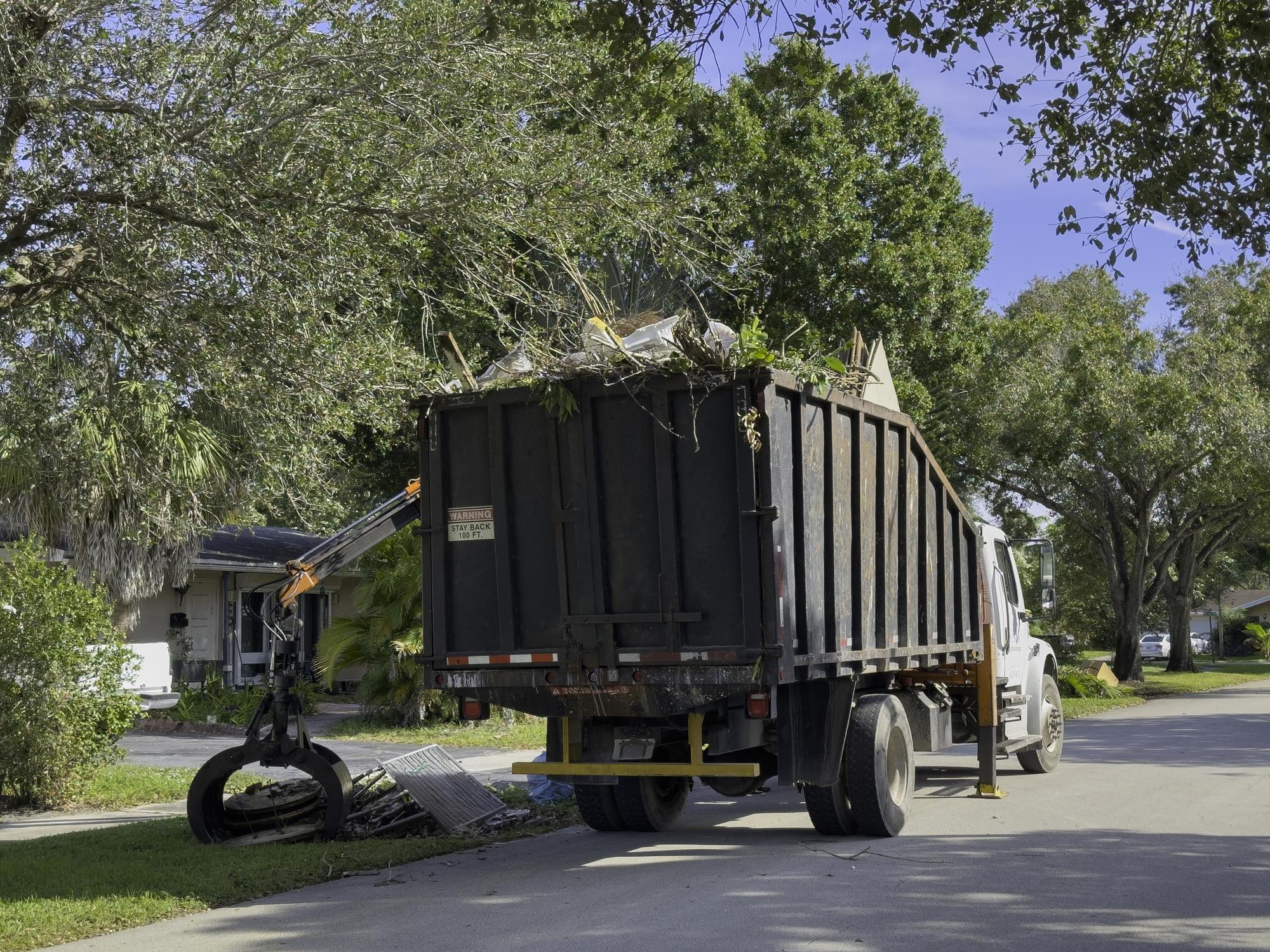
The truck pulls into your driveway on Saturday morning. Two crew members hop out, ready to load. And you’re still in the basement, debating whether the broken treadmill stays or goes. That hesitation costs you, because most reputable junk removal service crews like Bye Bye Junk price by volume and by time. The faster they can identify and grab everything, the lower your bill at the end of the visit.
Prepping for a pickup is not a weekend project. Thirty focused minutes the evening before is usually all the time you need, and the five steps below cover everything worth doing.
Five Steps Worth Doing the Night Before Pickup
Run through each step once, and you’ll be set before the crew knocks.
Walk Every Room, Closet, and Storage Spot
Start with a slow lap of the property: every room, every closet, the garage, the shed, the attic, and the basement. Bring a notepad or your phone and jot down each item you want gone. Storage spots people forget about are usually where the surprises hide. The broken patio heater behind the snowblower. The bin of old electronics is under the basement stairs. The cracked plastic bins are out by the side gate.
A written list does two jobs. It gives you a clear picture of the volume you’re dealing with, which helps the crew show up with the right size of truck. It also stops the last-minute “wait, what about the dehumidifier?” once they’re already loading.
Sort Into Keep, Donate, and Discard Piles
Once you know what’s leaving, decide where each piece should actually end up. Three rough zones work well:
Canadian charities like the Diabetes Canada Declutter program, Habitat for Humanity ReStore, and Value Village all accept furniture and household goods, and a responsible garbage removal team will often route donatable items to a local drop-off rather than the landfill. Sorting this out yourself can shrink your final load and your final cost.
Clear the Path From Curb to Item
Crews charge for time as much as for volume, so anything that slows the carry-out adds up. Walk the route they’ll take from the truck to each item and pull anything in the way. Push the car onto the street if it normally blocks the driveway. Sweep snow off the steps in winter. Tie back the gate if it tends to swing shut. Move the rake, the bike, the recycling bin, anything that forces a side-step.
Inside the house, focus on doorways, stair landings, and tight hallway corners. A sofa that has to be tilted around a banister takes three times longer to move than one with a clear shot to the front door.
Lock Up Pets, Move Kids, and Empty Drawers
Loaders are moving fast and carrying awkward, heavy items. A curious dog or a toddler underfoot puts everyone at risk. Put pets in a closed room with water and something to chew, or send them next door for the morning.
While you’re at it, take a careful look through drawers, cabinets, and the pockets of anything headed out. Jewellery, cash, old chequebooks, USB sticks, and documents end up tucked into furniture more often than you’d guess. Once a piece is on the truck, getting it back is a hassle.
Confirm the Window and Flag the Tricky Stuff
A quick call or text the day before locks in your time slot and gives you a chance to mention anything unusual. Narrow staircases. A heavy upright piano. A third-floor walk-up. Tricky parking on a one-way street. A condo building with elevator booking rules. Crews appreciate the heads-up and will arrive with the right gear and the right headcount.
With those five steps handled, the actual appointment becomes the short part of your day.
What to Sort Out Before the Truck Pulls Up
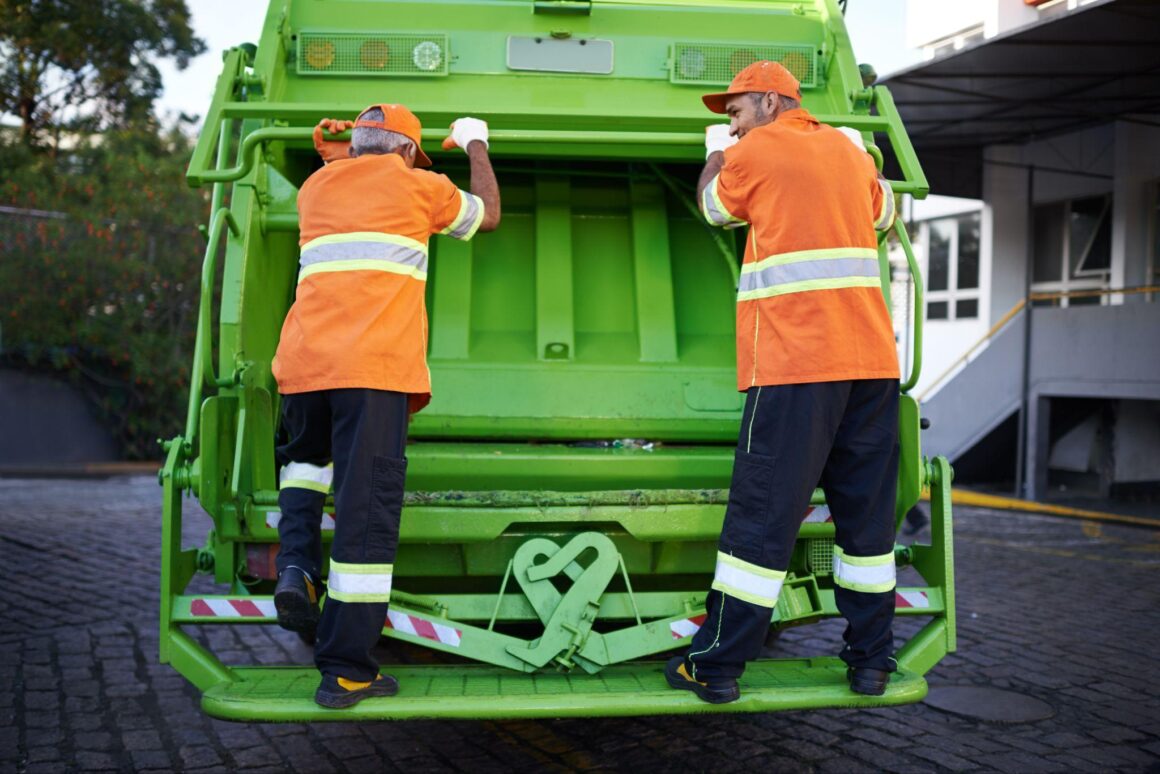
A handful of smaller details prevent the most common day-of headaches.
Items Most Canadian Crews Cannot Legally Haul
Almost every junk disposal company in Canada has a short list of items they cannot put on a standard truck. The usual exclusions:
- Paint, solvents, motor oil, and household chemicals
- Propane tanks, gasoline, and other pressurized or flammable containers
- Asbestos, lead-based materials, and medical waste
- Car tires in large quantities (some crews take a few, some take none)
Set these items aside in a separate spot and ask your provider where they belong. Most Canadian municipalities run free household hazardous waste depots, often called Eco Stations or Take It Back partner sites, that accept paint, batteries, and chemicals on specific days. Sorting these out ahead of time avoids the awkward moment of a loader pointing at a paint can and shaking their head.
A Realistic Number to Have in Your Head
Pricing is almost always volume-based, measured by how much space your items take up in the truck. A quarter-load is roughly a couple of armchairs and some boxes. A full load fills a pickup truck bed to the top. Ask for a ballpark when you book, and request the on-site quote in writing before the crew starts loading. According to Statistics Canada, Canadian households generate roughly 720 kilograms of residential waste per person each year, which is why most homeowners underestimate the actual volume of what they’re clearing out.
Walk the Space Before the Truck Leaves
Once the truck is loaded, do a walk-through with one of the crew members before they pull away. Spot anything they missed. Confirm nothing was taken by mistake. Check that no scrapes or scuffs were left on walls or door frames. Reputable waste removal services welcome the walk-through. It protects them as much as it protects you.
Final Thoughts
A junk removal appointment is one of those home projects where a small amount of prep work pays off in a big way. Thirty minutes the night before, walking the property, sorting piles, clearing the path, putting pets away, and confirming the window, turns what could be a stressful afternoon into a fifteen-minute pickup.
Crews work fastest when items are visible, accessible, and clearly meant to leave. Give them that, and the rest of the appointment looks after itself. Whether you’re clearing out a basement after a renovation, getting a home ready for sale, or finally tackling the garage that has been on the list for two years, the same five steps apply.
Book the appointment, run through the list, and enjoy the empty space waiting on the other side.
About The Author