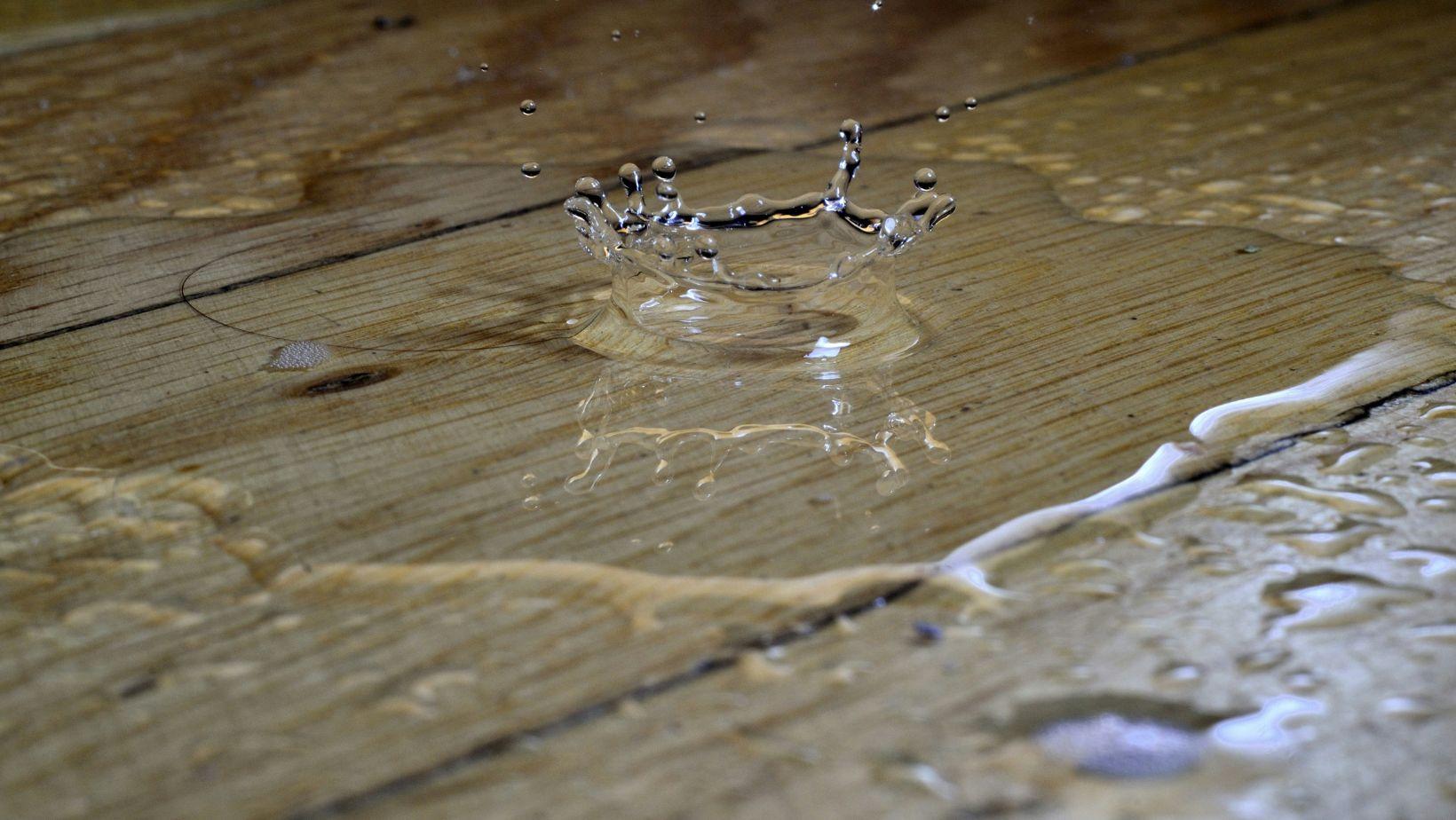
Rainy weather can bring relief from hot days, but heavy storms can also create serious challenges for homeowners. Excess water, clogged drainage systems, and poor home maintenance can quickly lead to leaks, flooding, and costly repairs. Preparing your home before the rainy season arrives is one of the best ways to reduce risk and protect your property from water-related problems. A simple flood-prevention checklist can help you identify weak areas around your home and take action before damage occurs.
Inspect Your Roof and Gutters
Your roof is your home’s first defense against heavy rainfall. Before the rainy season begins, make sure to check for damaged areas that may allow water to enter. Even a small leak can lead to ceiling damage, mold growth, and structural issues over time.
Gutters and downspouts also play an important role in directing rainwater away from your home. Remove anything that may block water flow. Make sure downspouts extend far enough from the foundation to prevent water from collecting near your walls.
Check Your Doors, Windows, and Foundation
Water can enter your home through small openings around windows and doors. Inspect seals, caulking, and weatherstripping to make sure they’re still effective. Replacing worn materials can prevent rainwater from leaking inside during strong storms.
Your foundation should also be checked regularly. Look for damp spots, cracks, or areas where water tends to gather. Proper drainage around your property can help reduce pressure on your foundation and prevent flooding in basements or lower areas of the home.
Improve Outdoor Drainage
Good drainage is essential for flood prevention. Keep outdoor drains clear and make sure water has a proper path away from your home. If your yard slopes toward your house, consider improving the landscape design to redirect rainfall.
It’s also helpful to inspect nearby areas such as patios, walkways, and driveways. Cracks or uneven surfaces can allow water to collect and eventually affect your home’s structure.
Prepare for Unexpected Water Damage
Even with proper preparation, severe storms can sometimes cause unexpected flooding. Knowing what steps to take after water enters your home can help reduce long-term problems. Remember to remove valuables from affected areas, avoid using electrical equipment in wet spaces, and address the source of water as quickly as possible.
For homeowners facing serious floods or leaks, professional support may be necessary. Services like water damage restoration Everett can help address moisture problems, remove damaged materials, and restore affected areas to prevent further issues such as mold and structural deterioration.
Protect Important Belongings
Before storms arrive, move important documents, electronics, and valuable items away from areas that are vulnerable to flooding. Consider storing essential items in waterproof containers or elevated spaces.
Creating an emergency kit with flashlights, batteries, towels, and basic supplies can also make storm preparation easier. A little planning can save time and reduce stress when severe weather occurs.
Endnote
Preparing your home for rainy weather doesn’t have to be complicated. Regular inspections, proper drainage, and quick action can greatly reduce the chances of flood damage. By following a simple prevention checklist, homeowners can maintain a safe living environment, and avoid costly repairs caused by unexpected water problems.
About The Author