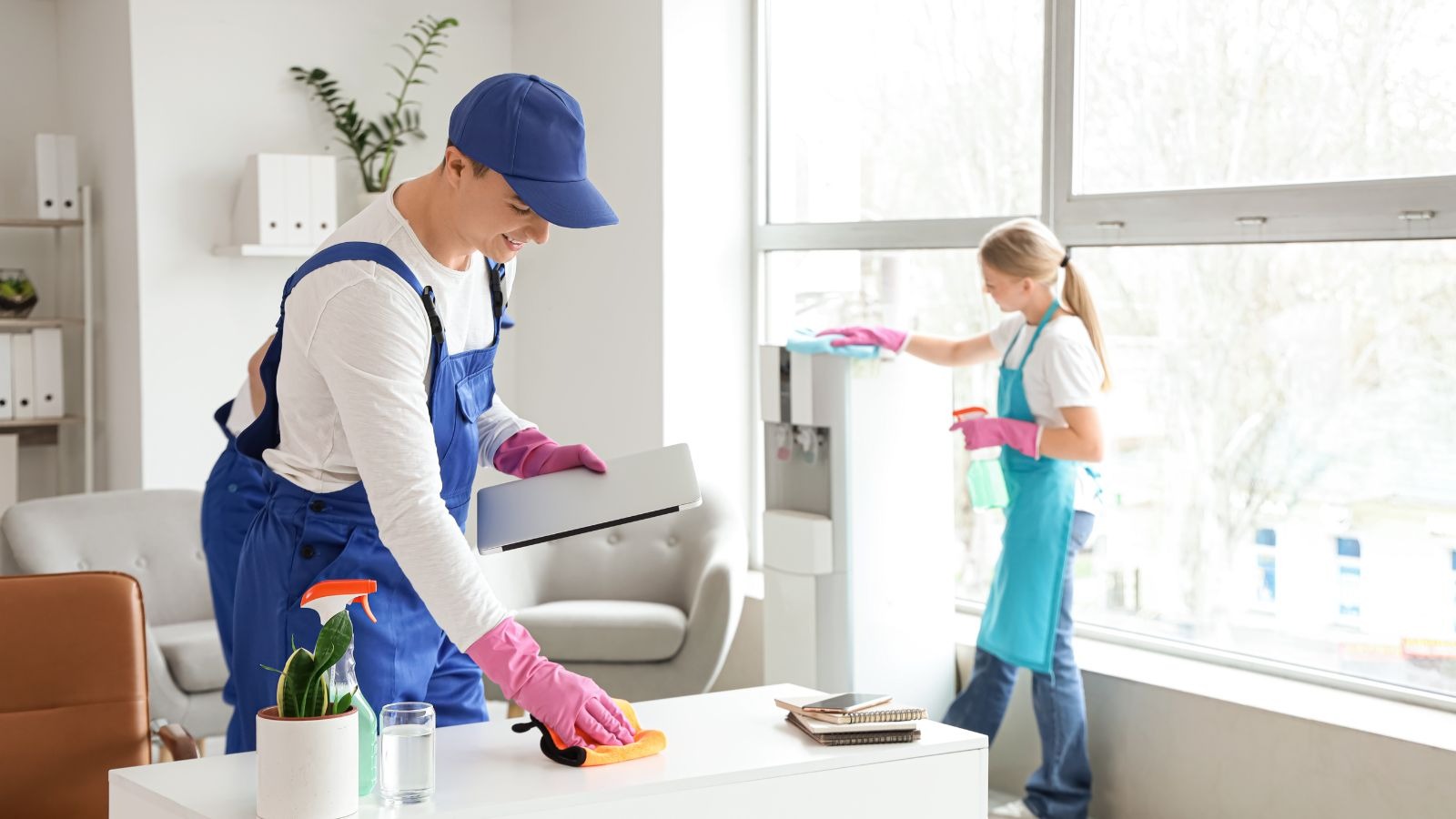
Walk into a freshly cleaned office, and you feel it instantly. The air seems lighter, the desks look sharper, and even the breakroom feels less chaotic. That shift matters more than most people realize, because a clean workplace is not only about appearances. It’s about productivity, health, brand confidence, and the kind of calm that helps people do their best work. If you have ever searched for janitorial services st louis, you know that the top cleaners separate themselves through consistency and attention to detail. The real challenge is finding a plan that fits how your team actually uses the space.
This guide breaks down what professional commercial office cleaning should include, what to ask for, and how to choose a cleaning schedule that keeps standards high without wasting your budget.
Why a Clean Office Is Not a “Nice To Have”
A professional office is a shared environment. That means every surface is a shared surface, even if it does not look like it at first glance. When cleaning is inconsistent, it shows up in small ways that quietly add up: dusty vents, smudged glass, sticky door handles, overflowing trash, and a breakroom that never feels fully reset.
The Real Business Benefits Behind Office Cleaning
A strong cleaning routine supports the outcomes leaders care about most.
- Fewer sick days and fewer “mystery sniffles.” High-touch surfaces are a major contributor to germ spread.
- Better client impressions. Visitors notice restrooms, floors, and front-facing spaces immediately.
- Higher morale. People work better in spaces that feel cared for.
- Longer life for surfaces and flooring. Dirt and grit wear down materials faster than most teams expect.
What Great Commercial Office Cleaning Includes
A professional cleaning plan is more than “take out trash and vacuum.” It is a repeatable checklist that targets what gets dirty fastest, what matters most to your visitors, and what helps the building feel consistently maintained.
Core Tasks Most Offices Need Every Visit
Even in a small space, these are the basics that keep standards consistent.
- Empty trash and replace liners
- Vacuum carpets and mats
- Sweep and mop hard floors
- Wipe high-touch points like door handles, light switches, and shared equipment
- Spot-clean glass and interior windows where fingerprints show
- Reset common areas like reception and conference rooms
Restroom Cleaning That Holds Up All Day
Restrooms are the most emotionally “high-stakes” area in any office. People do not just notice when restrooms are dirty. They remember it. Consistent restroom cleaning should include disinfection of toilets and urinals, sinks and counters, mirrors, dispensers, partitions, and floors, along with restocking essentials.
Breakroom and Kitchen Care That Prevents Odors
Breakrooms create buildup quickly, especially around microwaves, handles, and shared tables. A quality cleaning routine focuses on the touchpoints and the areas that cause odors: trash, spills, crumbs, and sticky residue around appliances and cabinet pulls. Even if you leave inside-of-fridge cleaning to employees, daily wipe-downs keep the space from sliding into “gross by Thursday.”
How to Choose the Right Cleaning Schedule
Your ideal schedule depends on people traffic, the type of work being done, and how often clients or customers visit the office. Cleaning too infrequently usually costs more in the long run, because once dirt builds up, it takes heavy, deep cleaning to recover.
Quick Guide to Frequency That Makes Sense
A good provider will help you tailor this, but here is a practical starting point.
- High-traffic offices: cleaning 5 times per week
- Mid-traffic workplaces: cleaning 2 to 3 times per week
- Low-traffic professional spaces: cleaning 1 time per week with periodic add-ons
- Shared buildings or client-facing locations: frequent cleaning plus regular restroom checks
If you are unsure, start slightly more frequently and adjust once you see how the space holds up. It is easier to scale back than to recover from a month of neglect.
The Difference Between Routine Cleaning and Deep Cleaning
Routine cleaning is what keeps your space stable week to week. Deep cleaning is what resets the office and prevents a gradual decline. If you only do routine cleaning, you may still end up with dusty vents, dingy baseboards, and carpets that look tired before their time.
Deep Cleaning Add-Ons Worth Considering
These services are not always needed weekly, but they make a noticeable difference over time.
- Detailed baseboard and trim cleaning
- High dusting for vents, corners, and ledges
- Carpet shampooing or hot-water extraction
- Floor stripping and waxing, where applicable
- Detailed restroom descaling and grout attention
- Interior glass and partition detailing
A smart plan uses routine visits to maintain, and deep cleaning as a scheduled refresh.
What to Ask Before Hiring a Cleaning Team
A professional cleaning service should be able to explain what they do, how they do it, and how quality is maintained. If the answers feel vague, the results usually are too.
Questions That Reveal Professional Standards
These questions help you compare providers without getting lost in sales talk.
- What does your checklist include for offices like mine?
- Do you track completion or provide inspection reports?
- How do you handle quality issues or missed tasks?
- What cleaning products do you use, and can they match our preferences?
- Are your cleaners trained for commercial environments?
- Can you work around alarms, access rules, and building requirements?
The best providers welcome these questions because they already have systems in place.
Improving Cleanliness Without Disrupting the Workday
One of the biggest concerns for office cleaning is disruption: noise, access, and privacy. It is completely reasonable to want a clean office without feeling like someone is constantly “in the way.”
How Scheduling and Access Typically Work
Most offices choose cleaning after business hours, early morning, or during low-traffic windows. A good cleaning plan also respects secure areas and privacy expectations, with clear boundaries for which rooms are serviced, which are excluded, and how access is handled.
If your office has special requirements, like silent hours, restricted storage rooms, or sensitive client documents, those details should be part of the plan from day one.
Simple Habits That Make Professional Cleaning More Effective
Cleaning teams can do a lot, but the office environment itself also matters. Tiny habits can make professional cleaning more efficient and keep the workspace looking better between visits.
Small Changes That Keep the Office Looking Sharp
These are easy wins that help the space stay consistent.
- Place floor mats at entrances to reduce tracked-in grit
- Encourage “wipe as you go” in breakrooms
- Use labeled bins to improve trash sorting and prevent overflow
- Keep disinfecting wipes available for shared tools and equipment
- Limit clutter on floors so vacuuming and mopping can be thorough
The cleaner your baseline, the more noticeable and lasting the professional results become.
A Cleaner Office Feels Like a Better Place to Work
A truly clean office is not just “tidy.” It is the feeling that the environment is handled, which frees people to focus on their jobs. When your cleaning plan is consistent, detailed, and built around how your workplace actually functions, everything runs smoother: meetings start on time, visitors feel confident, and employees stop wasting mental energy on annoying messes.
If your current routine feels hit-or-miss, or the office never looks as fresh as it should, it may be time to upgrade to a cleaning plan with clear standards, a reliable checklist, and a schedule that matches your traffic. The goal is simple: a workspace that feels professional every single day, not just right after someone scrambles to clean before a big meeting.
About The Author